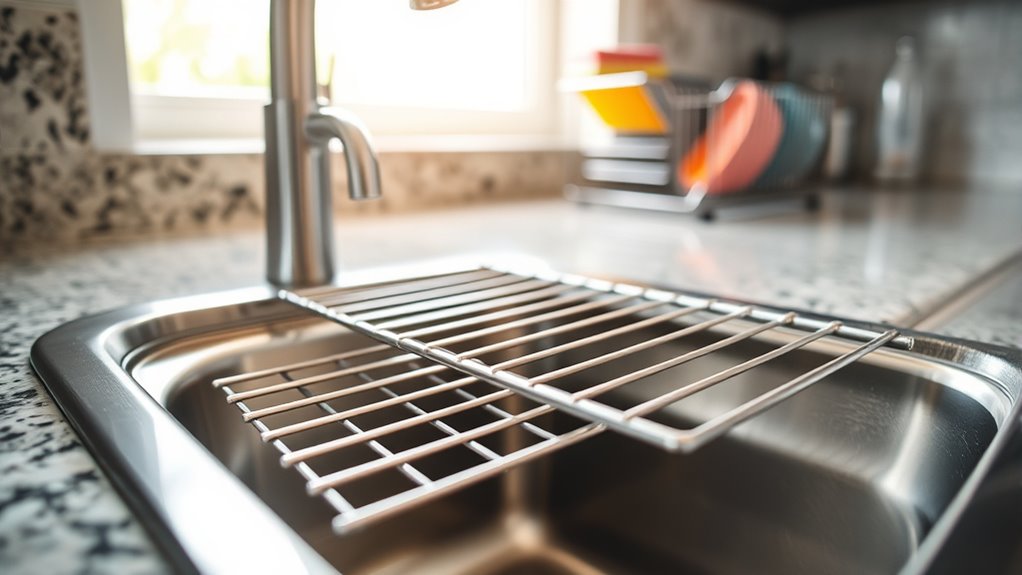
How to Decide When Sink Grids Are Necessary for Your Kitchen
Many homeowners know the frustration of dealing with scratched, dented, or stained sink surfaces. You’re not alone—making sure your sink stays in top shape is a common concern. This is where sink grids come in, offering a simple way to protect your investment.
If your sink is large, heavily used, or made of delicate material, a sink grid can protect its surface from scratches, dents, and stains, extending its lifespan. It’s especially helpful if you handle heavy pots and pans often or want to prevent damage when dropping items.
Consider your sink size, typical chores, and the material to decide if a grid is necessary. To find out more tips on choosing the best option, keep exploring.
Key Takeaways
- Use a sink grid for deep or large sinks that handle heavy pots and daily loads to protect the sink surface.
- Choose a grid if you want to prevent scratches, dents, and damage from dropped or heavy utensils.
- Opt for a grid when you want to keep things hygienic and make cleaning easier by stopping debris buildup.
- Consider a grid if your sink material is delicate, like porcelain or stainless steel, which needs extra protection.
- Skip a grid for small sinks, light washing tasks, or if you prefer an unobstructed, decorative sink surface.
What Are the Main Benefits of Using a Sink Grid?
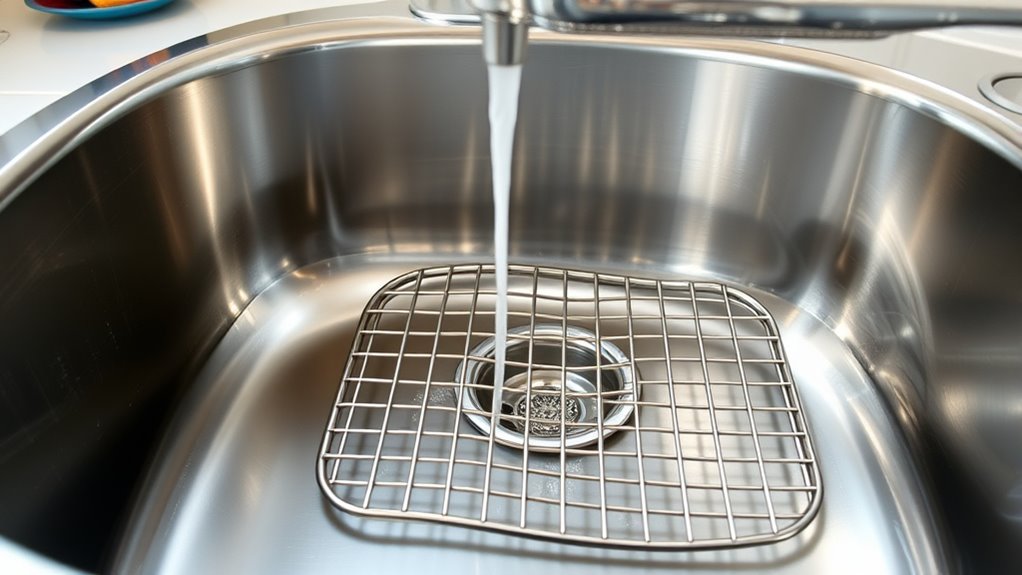
Using a sink grid offers several practical benefits that can make your kitchen chores easier. First, it protects your sink’s surface from scratches and dents caused by pots, pans, and utensils. This keeps your sink looking new longer and boosts your kitchen’s appearance.
A sink grid also raises dishes and utensils above the sink’s base. That way, water drains more efficiently and standing water spots are less likely to form.
When you’re cleaning, a sink grid makes scrubbing easier because it keeps stubborn messes and debris from settling directly on the sink surface. You can simply remove the grid for cleaning, which helps reduce buildup and germs.
Do You Need a Sink Grid for Your Sink Style or Size?
Is your sink’s style or size a good fit for a sink grid? If your kitchen has a deep or large sink, a sink grid can help protect the surface from scratches and cracks, especially when handling heavy cookware.
For smaller sinks, a grid might make it harder to wash larger items comfortably by restricting space. Think about water efficiency too — some grids are designed to allow better water flow, reducing splashes and water waste.
If your sink is made from delicate materials like porcelain or stainless steel, a grid can help prevent damage and make your sink last longer. And consider your daily routine — if you often wash big pots and pans, a larger sink with a grid makes sense.
In the end, your choice depends on your kitchen layout, sink size, and whether you want to save water and protect your sink’s surface.
How Do Sink Grids Protect Your Sink and Dishes?
Sink grids are pretty handy because they create a protective barrier between your dishes and the sink surface. This helps prevent scratches and dents, so your sink stays looking nice longer.
Plus, if you happen to drop a dish, the grid can help reduce the chances of it breaking, keeping your collection safe. And it’s not just your dishes—these grids also protect your sink from harsh impacts and stains, which can help it last even longer.
Prevents Scratches and Dents
A sink grid acts as a protective barrier between your dishes and the sink’s surface, preventing scratches and dents caused by metal utensils or heavy pots. It helps keep your sink looking new and neat, which also boosts your kitchen decor.
Using a sink grid encourages water conservation by reducing the need for excessive scrubbing, which often wastes water. Plus, it keeps your dishes safe from damage, so you spend less on replacements.
Reduces Dish Breakage
While it might seem unlikely, a sink grid can significantly cut down the chances of your dishes breaking by providing a soft surface that absorbs shocks. This added protection helps prevent accidental drops from causing chips or cracks, keeping your plates and glassware safe.
Plus, a sink grid keeps your kitchen looking tidy by organizing the sink area neatly. It makes handling fragile items easier and safer, so you don’t have to worry as much about accidents.
When your dishes are protected, you’re less likely to rewash or replace broken items, which helps save water too. The grid also keeps fragile dishes from directly touching the sink’s surface, reducing the risk of damage.
All in all, a sink grid not only makes your kitchen look better but also helps protect your dishes and save water, making everything work more efficiently.
Shields Sink Surface
Ever wondered how sink grids protect your sink and dishes? They serve as a shield, guarding the delicate surface from scratches, dents, and stains. This helps keep your sink looking new and extends its lifespan.
By preventing hard dishes from directly touching the sink, they help maintain your kitchen’s look and keep it looking clean and polished. Sink grids also distribute water more evenly, which supports water conservation by reducing splashing and waste.
They make cleaning easier too because debris stays on the grid rather than settling into the sink surface, reducing grime buildup. Overall, sink grids combine functionality with style, protecting your sink and dishes while supporting eco-friendly habits.
When Should You Consider Using a Sink Grid?
Knowing when to use a sink grid really depends on your specific kitchen needs and the type of sink you have. If you want to keep things organized and protect your sink’s surface, a sink grid can be a smart addition.
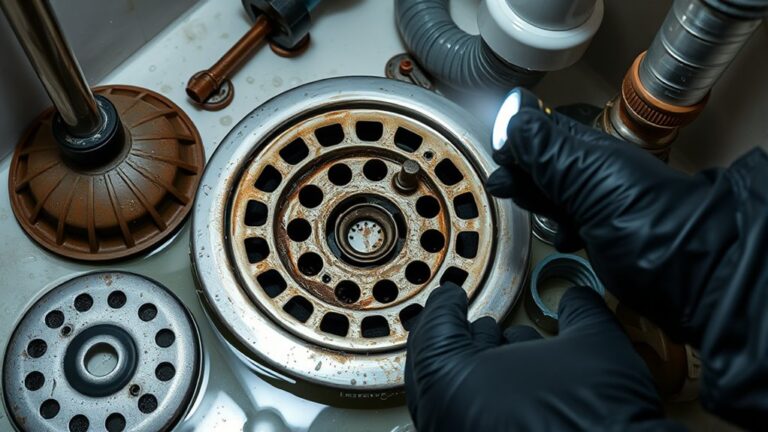
Think about using one if you often wash heavy cookware that could scratch or damage your sink without a barrier. If your sink has a water filtration system, a grid can also help prevent clogs by catching debris before it reaches the drain.
Use a sink grid to protect your sink from heavy cookware and prevent clogs in water filtration systems.
It’s also helpful if your sink gets a lot of use and you want to extend its lifespan. Plus, a sink grid can improve drainage flow and keep your dishes from scratching the surface.
Just keep in mind, if you’re planning to install a sink with a protective coating, check whether a grid might interfere. Consider these situations:
- Heavy cookware exposure
- Frequent dishwashing
- Protecting delicate sink surfaces
- Water filtration systems
- Improving overall kitchen organization
How to Choose the Best Sink Grid for Your Kitchen
When you’re trying to pick out the best sink grid, the first thing to think about is the material. You want something durable that can handle everyday use without wearing out quickly. It’s a good idea to look for grids made from sturdy materials like stainless steel or silicone—they tend to last longer and resist rust or corrosion.
Next up, make sure the size and fit are just right for your sink. Nothing’s more frustrating than a grid that’s too big or too small. Taking accurate measurements of your sink can save you from the hassle of returns and ensure the grid provides the best protection and functionality.
Putting these two things together—good material and the right size—will help you find a sink grid that’s both reliable and efficient. A well-chosen grid will keep your sink safe and last for a long time, making your kitchen clean-up a whole lot easier.
Material and Durability
Choosing a sink grid made from durable materials ensures your investment lasts through daily use. It’s important to pick options that can handle your kitchen’s demands.
Look for eco-friendly materials that are better for the environment and often more resistant to corrosion. These help you stay sustainable while keeping your sink protected.
Consider the aesthetic design to make sure the grid enhances your sink’s look without sacrificing function. Stylish options can blend seamlessly into your kitchen decor.
High-quality stainless steel offers strength and longevity, making it a popular choice. Silicone and bamboo are good eco-friendly alternatives with softer, more natural appearances.
To boost durability, check if the material resists staining and rust, especially if you frequently use harsh cleaning agents. Reinforced surfaces or coatings can also provide extra protection for your sink grid.
Choose grids with easy-to-clean, stain-resistant surfaces for hassle-free maintenance. This way, your sink will stay looking fresh and functional longer.
Size and Fit
Choosing the right size and fit for your sink grid is key. It helps protect your sink while keeping its functionality intact. A well-fitting grid makes your kitchen look neat and stylish.
To get the perfect fit, think about custom options that match your sink exactly. Check out the table below for easy comparison of your choices:
| Size | Fit Type | Recommended Use |
|---|---|---|
| Standard | Universal Fit | Most sinks, budget-friendly |
| Custom-fit | Precise Fit | Unique or shaped sinks, improves aesthetics |
| Large | Extra Coverage | Heavy-duty, large sinks |
Are Sink Grids Worth the Cost : and Which Materials Are Best?
Sink grids can be a worthwhile investment if you often wash heavy pots and pans that could scratch your sink surface.
When you look at the cost, think about durability versus affordability. The materials in sink grids affect how long they last and how your kitchen looks. So, choose what’s best for both function and style.
Here are some key points to consider:
- Material durability: Stainless steel resists corrosion and scratches.
- Cost analysis: Higher-quality grids usually cost more but tend to last longer.
- Aesthetic appeal: Slim, sleek designs work well with modern kitchens.
- Ease of cleaning: Open-grid styles are generally easier to keep clean.
- Protection level: Thicker mats provide better surface protection.
Can Sink Grids Reduce Noise and Improve Drainage?
While sink grids might seem like simple accessories, they can play a big role in reducing noise and improving drainage.
Using sink grids can be an effective way to reduce sounds from clattering dishes and running water, helping to keep your kitchen quieter during busy times.
Sink grids help quiet noisy clattering and running water, making your kitchen a calmer, more peaceful space.
They also help prevent debris from clogging the drain opening by catching food scraps and particles. This keeps things flowing smoothly and makes cleaning easier.
Proper drainage is key to avoiding water pooling and damage, and sink grids act as a filter to keep solids from blocking the drain.
Overall, installing a sink grid is a simple yet effective way to cut down noise and improve water flow.
If noise reduction and drain efficiency matter to you, sink grids can be a great addition to your kitchen.
How to Maintain and Replace Your Sink Grid Easily
Keeping your sink grid clean and in good shape is key to keeping it effective, and luckily, it’s easy to do.
To maintain it, just take out the grid weekly and wash it with warm, soapy water. A soft brush can help scrub away grease or debris, and avoid harsh chemicals that could damage the material.
If the grid gets damaged or starts to show signs of wear, replacing it is simple. Just lift out the old one and put the new one in, making sure it’s securely in place.
Here are some tips to make maintenance even easier:
- Clean the grid weekly using mild soap and a soft brush.
- For stubborn grime, soak it in vinegar or baking soda for easier removal.
- During installation, ensure the grid fits properly to prevent shifting.
- Check periodically for cracks or rust.
- Replace the grid when it’s warped or heavily stained.
Following these steps will help your sink grid last longer and keep your sink looking great.
Does Frequent Use Mean You Should Always Use a Sink Grid?
Using a sink grid regularly can be a smart choice if your kitchen gets a lot of use, especially when washing big pots, pans, or lots of dishes. The added protection helps prevent scratches and dents, keeping your luxury appliances looking their best.
If eco-friendliness matters to you, look for sink grids made from sustainable or recycled materials that can reduce environmental impact. A durable grid can withstand daily wear and tear, which is especially helpful with frequent use.
Some people might think shortcuts are okay, but consistently using a sink grid can actually extend your sink’s lifespan. It helps preserve its finish and can prevent costly repairs down the line.
In busy households, it’s often worth investing in a sink grid to keep your sink looking pristine and working properly. If you’re regularly washing heavy or delicate items, always using a sink grid can give you peace of mind and better protect your kitchen investment.
When Is It Okay to Skip Using a Sink Grid?
You can skip using a sink grid if your sink isn’t used heavily or often, especially when you’re washing small or delicate items. When your daily tasks are light, there’s less risk of scratching or damaging the sink.
Plus, some decorative sink accessories look great without a grid and make cleaning easier. Using eco-friendly materials for your accessories can also help reduce your environmental impact, so you might not need a protective grid at all.
Consider skipping a sink grid if you mainly wash lightweight, delicate things like glassware. If you prefer a simple, easy-to-clean sink surface, this might be a good choice.
If your sink has a textured or coated finish that resists scratches, a grid may not be necessary. Also, if you want to show off decorative accessories without obstruction, going without a grid works well.
Finally, if you want to keep maintenance simple and use eco-friendly materials, skipping the grid can be a smart move.
Frequently Asked Questions
Are There Specific Sink Materials That Work Better With Sink Grids?
Steel and stainless steel sinks are the best match for sink grids because they resist corrosion and work well with these materials.
Nylon or silicone grids are perfect for delicate surfaces like ceramic or porcelain, helping prevent scratches.
For composite or granite sinks, go for grids that are durable, impact-resistant, and provide enough support.
Always choose a grid that matches your sink material to protect your surfaces and help your sink last longer.
How Do Sink Grids Impact the Overall Kitchen Sink Maintenance?
Think of sink grids as a double-edged sword; they protect your sink but can complicate maintenance. They improve cleaning efficiency by catching debris, making it easier to clean the sink surface.
However, if not cleaned regularly, they can block water drainage and harbor grime, leading to buildup. To keep your sink in top shape, wash the grid frequently and monitor water flow to prevent clogs.
Regular cleaning ensures smooth, hassle-free use and helps prolong the life of your sink grid.
Can Sink Grids Be Customized for Unique or Vintage Sink Designs?
Yes, sink grids can definitely be customized for unique or vintage sink designs. You can opt for custom integration to match the vintage charm of your sink, choosing materials, patterns, and finishes that complement your style.
Many manufacturers offer tailored options, so you can create a perfect fit and aesthetic. Custom sink grids not only protect your sink but also help enhance its character.
This way, your kitchen stays both functional and charming.
What Are the Environmental Considerations When Choosing Sink Grid Materials?
When choosing sink grid materials, consider eco-friendly options like stainless steel or recycled metals that reduce environmental impact. These materials are durable and often recyclable, helping you minimize waste.
Look for products with clear recycling options and certifications. Choosing sustainable materials not only lowers your ecological footprint but also ensures long-lasting use.
This makes your kitchen more environmentally responsible and aligns with green living principles.
Do Different Kitchen Tasks Require Different Types of Sink Grids?
Did you know that over 60% of homeowners prefer different sink grids for various kitchen tasks?
Yes, dishes might need a dishwasher-compatible grid, while prep work calls for something more durable.
Think about your sink’s depth too. A deeper sink may need a sturdier grid to prevent slipping.
Different tasks like washing vegetables or cleaning pots require specific grid types. This helps protect your sink and makes each task easier.
Conclusion
Deciding whether to use a sink grid depends on your kitchen habits and sink type, but sometimes it’s better to be safe than sorry.
By understanding its benefits and knowing when to use or skip it, you’ll protect your sink and dishes without fuss.
Remember, it’s not always about having the perfect tool but using what works best for you.
That way, everything falls into place, and you won’t be caught off guard.
Using a sink grid for your kitchen sink can be a smart move if you want to prevent scratches and keep things clean.