Are Garbage Disposals Bad for Your Sink Plumbing
Are you tired of dealing with clogged sinks or unexpected plumbing issues? You’re not alone—many people struggle with keeping their kitchen plumbing in top shape.
When it comes to garbage disposals, there’s often a lot of confusion about whether they’re good or bad for your sink pipes.
Garbage disposals aren’t inherently bad for your sink pipes if you use and maintain them correctly. Proper use involves running cold water, avoiding fibrous or hard materials, and avoiding excessive overloads, which can cause clogs or damage over time.
Regular cleaning and inspections help prevent issues before they start.
If you follow these tips, your disposal can be a helpful and safe addition to your kitchen. To learn more, keep exploring how to keep your plumbing healthy.
Key Takeaways
- Properly used disposals can help extend your sink’s lifespan by preventing organic buildup and odors.
- But if you use them improperly or toss in hard, fibrous, or greasy materials, they can cause clogs and damage.
- Older plumbing systems might need upgrades or inspections to support garbage disposals safely.
- Regular maintenance and proper operation can reduce the chances of blockages and other plumbing issues.
- If you install them incorrectly or ignore local regulations, you could end up with leaks, damage, or environmental concerns.
Are Garbage Disposals Bad for Your Plumbing? What You Should Know
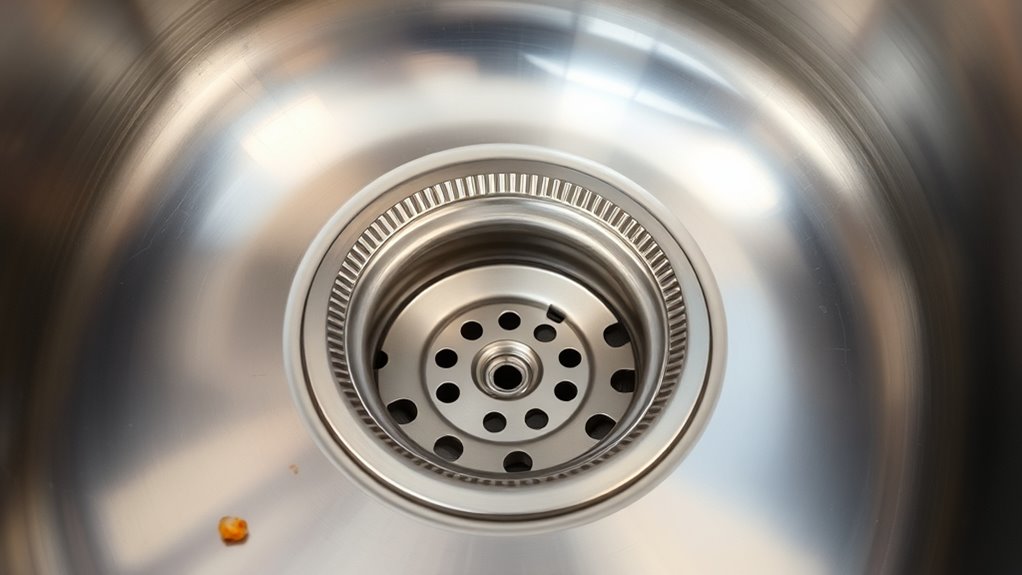
Many homeowners wonder whether garbage disposals are harmful to their plumbing, and the truth is, they can be if not used properly. During kitchen remodeling, you might consider installing a disposal to make cleanup easier, but it’s crucial to understand disposal regulations in your area. Some municipalities have restrictions due to environmental concerns or wastewater system limitations. Ignoring these regulations can cause clogs or damage to your plumbing over time.
Proper use is key. Avoid putting fibrous, greasy, or hard materials down the disposal, as they strain the pipes. While disposals can be convenient, they aren’t a free pass for dumping everything down the drain. Follow local rules and manufacturer instructions carefully, especially if you’re updating your kitchen during remodeling.
Doing so will help extend the life of your plumbing and prevent costly repairs. This way, your new kitchen remains functional and efficient.
How Do Garbage Disposals Work and Affect Your Plumbing System
Garbage disposals work by grinding food waste into tiny particles, which then flow easily through your plumbing. This makes kitchen cleanup quicker and more hygienic while reducing the amount of trash sent to the bin.
Garbage disposals grind food into tiny particles, ensuring quick, hygienic cleanup and less trash in your bin.
When it’s working right, a disposal helps keep your plumbing flowing smoothly by stopping food scraps from piling up, causing odors, or slowing drains. The grinding chamber breaks down organic matter into small pieces, which are then flushed away with water through your pipes.
It’s important to use disposals properly—avoid overloading or putting hard items in, as that can stress plumbing parts. Regular maintenance like flushing with cold water after use keeps the system running well.
While garbage disposals make waste management easier and more efficient, knowing how they work helps you get the most benefit while keeping your plumbing in good shape.
Can Garbage Disposals Cause Plumbing Clogs and Blockages?
Using your garbage disposal improperly can sometimes lead to clogging and blockages in your plumbing. For example, throwing in large chunks or fibrous food scraps — like celery, potato peels, or coffee grounds — can cause buildup over time and might clog your pipes.
To keep things running smoothly, it’s a good idea to follow some simple disposal tips. Avoid overloading your sink and steer clear of putting in tough, fibrous, or greasy foods that can stick around and cause problems. By doing this, you’ll help prevent clogs and keep your plumbing flowing freely.
Food Waste Accumulation
Have you ever wondered if your garbage disposal might be causing your sink to clog? Food waste buildup from disposal can quickly lead to blockages in your pipes if you’re not careful.
Overloading your disposal with too much waste at once can overwhelm your plumbing, leading to clogs and slow drains. Grinding small amounts regularly helps keep your kitchen clean and odors at bay.
Properly disposing of food particles makes them less likely to stick around and cause problems later. Using your disposal wisely helps keep your sink clear and odor-free.
It also prevents costly plumbing issues down the line. Remember, moderation is key—dispense waste gradually and keep your pipes clean.
Taking these simple steps can make a big difference in maintaining your plumbing health.
Pipe Blockage Risks
While garbage disposals are convenient, they can increase the risk of plumbing clogs if you’re not careful. Overloading the disposal or throwing in fibrous foods can cause buildup and block your pipes.
These blockages may lead to unpleasant odors and can even damage your kitchen’s appearance. To avoid this, steer clear of bones, grease, coffee grounds, fibrous produce, or dumping large amounts at once.
Rinsing thoroughly and running cold water helps flush debris and keep things flowing smoothly. Keep in mind, even small amounts of food waste can build up over time and create pressure points.
Regular maintenance and mindful use are key to preventing pipe blockages. This way, your sink stays functional and looks good. Knowing these risks helps you protect your plumbing and keep your kitchen clean and odor-free.
Proper Disposal Techniques
Be mindful of disposal myths; for example, many think all waste should go down the drain because of kitchen décor. But certain items like fibrous or starchy foods can cause clogs. Instead, compost or trash these problematic materials.
Regularly clean your disposal to prevent buildup, and steer clear of pouring grease or oil down the drain. Following these practices keeps your plumbing clear, ensuring your kitchen décor remains attractive without the risk of frequent clogs.
How Proper Maintenance Prevents Plumbing Problems
Regularly maintaining your garbage disposal is key to preventing common plumbing issues. Proper upkeep minimizes buildup, avoids clogs, and helps your sink last longer, especially during home remodeling projects where sink materials can be delicate.
Regular disposal maintenance prevents clogs, prolongs sink life, and protects delicate materials during remodeling projects.
To keep everything flowing smoothly:
- Run cold water during and after using the disposal to solidify grease and prevent buildup.
- Avoid pouring grease or oils down the drain, as they can solidify and cause clogs.
- Clean the disposal with lemon peels or baking soda to get rid of odors and debris.
- Regularly check for leaks or unusual vibrations to catch problems early.
- Use sink materials that resist corrosion and damage, especially during remodeling.
When Should You Call a Plumber for Disposal-Related Issues?
Knowing when to call a plumber for disposal-related issues can save you time and prevent further damage. If your garbage disposal is persistently clogging, leaking, or making strange noises, it’s time to get professional help.
During a kitchen renovation or plumbing upgrades, addressing these problems early ensures your system functions efficiently and helps you avoid costly repairs later. Don’t ignore odors that stick around, as they could point to deeper blockages or pipe damage.
If the disposal won’t turn on despite resetting, or if water pools around it, contact a plumber immediately. Trying DIY fixes beyond basic troubleshooting can make things worse, especially if pipes or connections are already damaged.
A skilled plumber will diagnose the core problems and help you decide if your plumbing needs updates during renovation or replacement. Acting promptly protects your disposal’s lifespan and keeps your sink safe and functional.
Do Garbage Disposals Damage Pipes Over Time?
While addressing disposal-related issues promptly can prevent major damage, it’s natural to wonder whether garbage disposals themselves can cause long-term harm to your pipes. Over time, improper use or neglect can lead to problems, though disposals are generally safe if maintained correctly.
Some concerns include buildup of debris that can cause blockages, corrosion from acidic or harsh waste, and increased noise from aging units. There’s also the environmental impact from extra water use and waste processing, plus the potential for pipe wear if you frequently process large or fibrous materials.
Regular maintenance and mindful usage help minimize these risks. Many worry that disposals might damage pipes, but most issues come from misuse rather than inherent design flaws. Considering the environmental impact, proper disposal habits can also help reduce waste and water consumption, easing overall strain.
When used properly, garbage disposals typically won’t cause significant damage to your pipes over time.
Tips for Using Your Garbage Disposal Safely and Effectively
To keep your garbage disposal running smoothly, it’s best to be mindful about what you toss in. Try to avoid putting in big chunks or fibrous stuff like celery stalks, corn husks, or bones, since they can jam things up.
It’s also good practice to run plenty of water while using it—that helps flush everything through smoothly. Some people like to toss in ice cubes or even lemon peels from time to time to keep things fresh and clean. Just a quick tip: steer clear of greasy foods, plastics, or any chemicals, because these can actually harm your unit or clog your pipes over time.
Proper Disposal Techniques
Ever wonder how to use your garbage disposal without causing damage or jams? Proper disposal techniques are key to keeping your kitchen appliances running smoothly.
Always run cold water before, during, and after using the disposal to solidify fats and grease, preventing clogs. Avoid overloading the disposal—feed waste gradually to avoid jamming.
Refrain from disposing of fibrous vegetables or hard items like bones, which can damage blades or clog plumbing. Use the reset button if the disposal jams to prevent motor burnout.
Regularly clean the disposal with ice cubes or citrus peels for a fresh scent. Remember, proper use helps preserve your plumbing and prolongs the life of your unit.
Following these tips ensures safe, effective, and clog-free operation.
Regular Maintenance Practices
Maintaining your garbage disposal regularly keeps it in good working condition and helps you avoid costly repairs. To do this, run cold water during and after use to flush out debris.
Regular pipe inspections can catch leaks or blockages early, preventing damage to your sink or plumbing. Keep an eye out for unusual noises or slow draining, which might mean there’s a buildup or need for cleaning.
Clean the disposal monthly by grinding ice cubes or citrus peels to eliminate odors and debris buildup. Avoid overloading the unit, as too much waste can put strain on the system.
Avoiding Harmful Substances
Using your garbage disposal safely starts with being mindful of what you put inside it. Avoid harmful substances that can damage your sink or increase environmental impact and energy use. Never dispose of grease or oil; they clog drains and harm the environment.
Avoid non-biodegradable plastics, which can jam the disposal. Be cautious with fibrous foods like celery or potato peels—they can wrap around blades. Stay away from hazardous chemicals, such as bleach or paint, which can harm plumbing and the environment.
- Grease and fats
- Non-biodegradable plastics
- Fibrous food scraps
- Hazardous chemicals
- Hard shells or bones
Following these tips helps reduce energy use, protects your plumbing, and minimizes pollution. This way, you ensure safe, efficient use of your garbage disposal.
Which Plumbing Systems Are Compatible With Garbage Disposals?
Most standard kitchen plumbing systems can accommodate garbage disposals, but it’s important to check your setup for specific compatibility needs. During kitchen remodeling, you can usually add a garbage disposal if your existing drain pipes are properly sized—typically 1.25- or 1.5-inch drain lines.
Most kitchen plumbing systems can typically support a garbage disposal if drain pipes are properly sized.
Make sure your sink has a correctly installed mounting assembly that fits well. Also, check that your plumbing has enough slope and proper venting to prevent clogs and odors.
If your plumbing is older or has been modified, you might need some upgrades or adjustments to ensure it works with a disposal. Avoid systems with limited capacity, as they can cause backups and issues.
Before installing, review your plumbing’s condition and consider consulting a professional. So, proper compatibility ensures safe operation and helps prevent damage or costly repairs later on.
Pros and Cons: Should You Install a Garbage Disposal in Your Kitchen?
Deciding whether to install a garbage disposal depends on weighing its benefits against potential drawbacks. Think about how it impacts your kitchen countertop space, plumbing, and waste management.
Here are some pros and cons to consider:
- Reduces food waste in the trash, helping keep your kitchen cleaner
- Prevents unpleasant odors, especially near the sink
- Encourages eco-friendly waste disposal when paired with composting
- Potential plumbing issues can arise if it’s not installed properly
- Increases water use and energy consumption
While installation can make managing food waste easier, it’s important to check your plumbing quality and household habits. Disposal might be a great addition if convenience and cleanliness matter to you.
But if plumbing or environmental concerns are significant for you, exploring other options could be worth it. Carefully weigh these factors before making your decision.
Alternative Ways to Manage Food Waste Without a Disposal
You can cut down on food waste by composting your scraps—this way, you’re transforming organic waste into nourishing soil instead of sending it to the landfill. It’s a simple, eco-friendly way to give leftovers a second life.
Getting creative with leftovers is also a great idea. Think about using them in new recipes or as ingredients for other meals—this helps you waste less and makes cooking more fun.
And don’t forget about waste separation. It’s a responsible way to manage food waste and helps keep your plumbing in good shape, preventing clogs and other issues.
Composting Food Scraps
Have you thought about composting food scraps instead of using a garbage disposal? Composting cuts down on waste going to landfills, improves soil, and boosts sustainability.
Plus, it helps keep your kitchen clean and safe by preventing trash from piling up in your sink. Here’s why it’s a good idea:
- It reduces plumbing clogs and bad odors
- Keeps food scraps out of your drains
- Supports local composting programs
- Encourages smarter waste habits
- Helps create a greener, cleaner environment
All you need is a compost bin, some browns and greens, and regular turning to keep it going. Composting also makes your kitchen more hygienic by reducing bacteria buildup, making your home safer.
It’s an easy and responsible choice that benefits your sink and the planet alike.
Using Food Scraps Creatively
Instead of just composting or using a garbage disposal, get creative with your food scraps to cut down waste. You can repurpose leftovers and peels into tasty meals or snacks.
For example, vegetable peels can be used to make stocks, and overripe fruits can become jams or smoothies. Food preservation techniques like drying herbs and fruits can extend their life.
You can also use scraps to make flavorful broths. These methods save waste and add variety to your diet, all without stressing your plumbing or trash systems.
Waste Separation Techniques
If you want to reduce reliance on garbage disposals, implementing effective waste separation techniques is essential. Properly sorting your food waste helps with recycling programs and waste reduction.
Instead of sending everything down the drain, consider these methods:
- Use compost bins for vegetable scraps and coffee grounds.
- Collect and recycle certain food packaging separately.
- Create a food scrap pail for easy collection before disposal.
- Flatten recyclable containers to save space.
- Educate your household on waste segregation practices.
Frequently Asked Questions
Can Using a Garbage Disposal Increase Your Water Bill?
Using a garbage disposal can slightly increase your water bill because it requires running water during operation. This means more water is used each time you grind up food waste.
That extra water use can add up and affect your overall utility costs. Plus, if you use it often, you might need more plumbing maintenance over time.
While garbage disposals are really convenient, think about their environmental impact. Make sure to use them properly to avoid wasting water or causing plumbing issues.
Are There Certain Foods That Should Never Go Into a Disposal?
Think of your disposal as a delicate garden where only certain plants thrive. You shouldn’t put bones, fibrous vegetables, coffee grounds, or grease into it. These can clog your pipes or damage the system.
For food safety and to keep your disposal working well, avoid these items. Stick to small food scraps and clean your disposal regularly for best performance. This helps prevent costly repairs and keeps your sink flowing smoothly.
How Long Do Garbage Disposals Typically Last?
Garbage disposals typically last between 8 to 15 years, depending on installation and how well you maintain them.
To make them last longer, clean your unit regularly and avoid overloading it with fibrous or hard foods. Proper installation ensures smooth operation and prevents extra strain.
Taking good care of your disposal, like running cold water while using it and avoiding misuse, helps it run efficiently and last as long as possible.
Do Disposal Units Make Your Kitchen Sink Noisier?
Your kitchen might sound like a jet engine taking off, and yes, disposal units do make your sink noisier. The loud grinding and whirling can feel overwhelming, especially during disposal maintenance.
However, choosing quieter models and proper maintenance can reduce this noise. If you’re worried about disruptive kitchen sounds, consider installing insulation or soundproof padding around your disposal to keep things peaceful.
Are Energy-Efficient Garbage Disposals Available?
Yes, energy-efficient garbage disposals are available, helping you save power and reduce environmental impact. These models often use less energy while still effectively grinding waste.
If you’re looking for alternatives, consider composting food scraps or recycling waste. Choosing energy-efficient disposals can contribute to environmental sustainability and lower your home’s overall energy use.
Look for units with Energy Star ratings to make sure you’re choosing an eco-friendly option.
Conclusion
While it’s easy to think garbage disposals might threaten your sink’s health, the truth is, with proper use and maintenance, they can be a seamless part of your kitchen. Sometimes, it’s almost like the dishwasher’s quiet companion, quietly managing waste without fuss.
Just stay vigilant, avoid overloads, and call a pro if issues crop up. In the end, a well-cared-for disposal can really make your daily routine smoother. And that’s what we all want, right?