
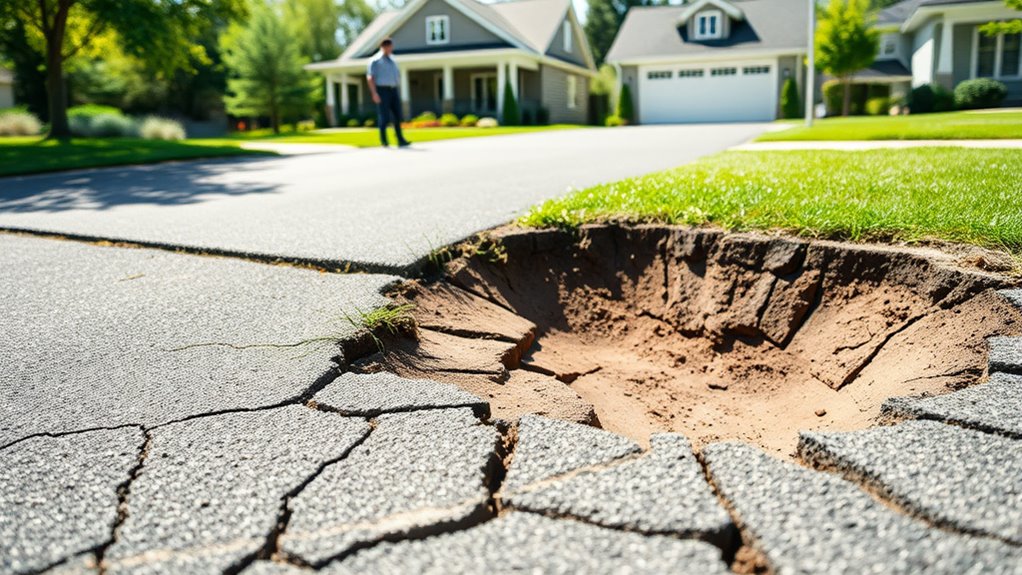
What Insurance Policies Cover Sinkholes?
Are you worried about the risk of sinkholes damaging your home? You’re not alone—many homeowners struggle with understanding how to protect their property from these sudden, costly disasters. Navigating insurance coverage can be confusing, especially since sinkholes aren’t always covered by standard policies.
Most standard homeowners insurance policies usually exclude coverage for sinkhole damage, especially in high-risk areas. To get protection, you may need a specific sinkhole endorsement or a separate policy that covers geological activity.
Your insurer might require geological tests or assessments before offering coverage. Premium costs can vary based on location and risk factors.
If you want to understand how to secure your home from sinkhole damage and investigate your options, there’s more to discover below.
Key Takeaways
- Standard homeowner insurance policies usually don’t cover sinkhole damage unless you add it on.
- Many insurers offer specialized sinkhole coverage as an extra or separate policy if you’re in a high-risk area.
- Coverage limits and exclusions can vary a lot, so it’s important to read the policy language carefully to understand what’s covered.
- Your location plays a big role in whether sinkhole coverage is available and how much you’ll pay in premiums.
- You might also have options like land stabilization to help manage the risk and possibly improve your coverage.
What Are Sinkholes and How Do They Form?
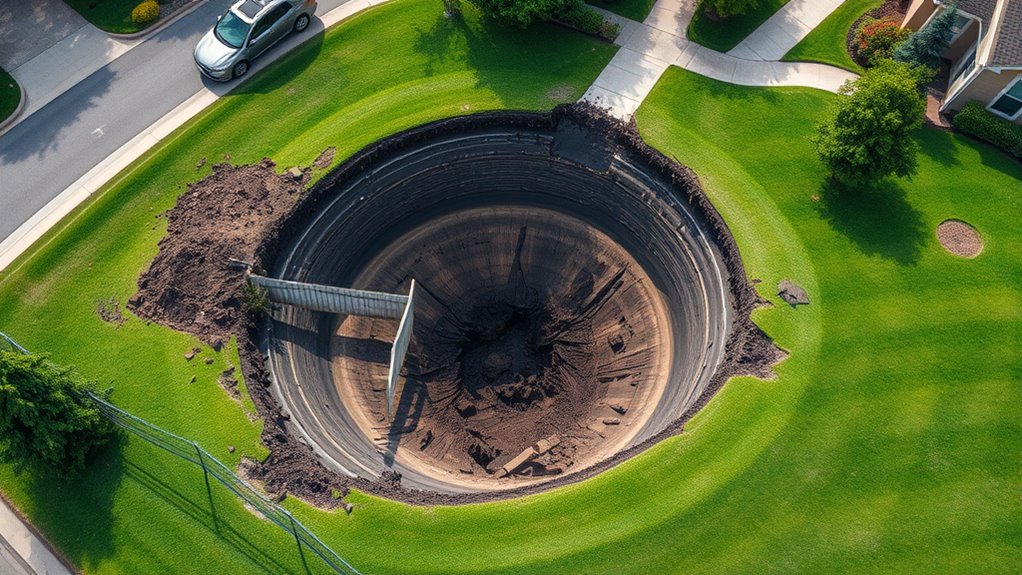
Have you ever wondered what causes those sudden, cratering holes in the ground? Sinkholes form when some sinkhole causes weaken underground rock layers or soil. These causes include the erosion of soluble rocks like limestone, gypsum, or salt beds by water.
As water slowly dissolves these rocks, cavities develop underground. The surface above can then suddenly collapse into them. Geology plays a big role here—areas with karst landscapes are especially prone to sinkholes.
When the ground above can’t support its own weight because of underground voids, a sinkhole happens. Heavy rains, droughts, or human activities like drilling and construction can trigger these collapses.
Basically, sinkholes happen when underground erosion or shifting material weakens the earth’s surface. This can lead to unexpected sinkhole formation.
Understanding what causes sinkholes is important, especially if you’re in a vulnerable area.
Does My Homeowners Insurance Cover Sinkhole Damage?
Your homeowners insurance might cover sinkhole damage, but it really depends on your specific policy. Coverage limits and exclusions can vary a lot from one plan to another, so it’s a good idea to go through your policy carefully. That way, you’ll know exactly what’s covered and what isn’t before you need to file a claim.
When it’s time to report damage, there are certain steps you should follow. Taking the right actions can help ensure your claim gets properly assessed and handled without any hiccups. So, it’s worth being familiar with the process ahead of time.
Policy Coverage Limitations
Many homeowners mistakenly assume their standard policies automatically cover sinkhole damage. In reality, coverage can be limited or even completely absent.
Policy exclusions often specify situations where damage isn’t covered, especially if it’s due to natural settling or erosion. Coverage caps may also restrict how much the insurance company will pay, leaving you responsible for significant repairs.
To avoid surprises, review your policy carefully. Key points to consider include:
- Policy exclusions that explicitly omit sinkhole-related damage or damage caused by certain earth movements.
- Coverage caps limiting the maximum payout, which might not fully cover repair costs.
- The need for supplemental or specialized coverage for extensive sinkhole protection.
Understanding these limitations helps you assess your actual risk and avoid unexpected expenses.
Filing Claims Process
Wondering how to get your sinkhole damage covered? Start by filing a claim with your homeowners insurance.
The process involves a thorough risk assessment, so insurance companies might ask for geological surveys to confirm sinkhole activity. Be ready to provide detailed documentation of the damage and any inspections you’ve had done.
It’s really important to report the issue quickly once you notice the damage, because delays can make your claim more complicated. The insurer will review your policy details and may send an adjuster to check out the damage.
If your coverage applies, they’ll walk you through the next steps for repairs or settlement. Staying proactive and organized during this process helps ensure your claim moves smoothly and you’re properly compensated for sinkhole-related damage.
When Is Sinkhole Coverage Included in My Policy?
Your sinkhole coverage really depends on the type of policy you have. Some plans include it automatically, so you’re covered without anything extra. But with others, you’ll need to add special endorsements to get that protection.
It’s also a good idea to remember that there are some common exclusions that might limit what’s covered in certain situations. So, taking a close look at your policy is definitely important. And don’t forget—where you live can make a difference too. In some regions, sinkhole coverage is required or might be restricted, so your location can really influence your coverage options.
Policy Types With Coverage
Sinkhole coverage is usually included in some homeowner’s insurance policies, but not all of them. If you’ve heard about past cases of sinkhole damage, it shows why some policies specifically cover this risk. Insurance companies often base their coverage requirements on government rules that protect high-risk areas.
To find out if your policy covers sinkholes, think about a few things. First, standard homeowner’s policies might not include sinkhole coverage unless you add it.
Some policies offer sinkhole coverage if you buy an endorsement or rider.
In places where the risk is higher, local laws might require coverage, especially if your property has a history of ground movement.
Check your policy details and regional rules to know what’s covered for you.
Common Exclusions Apply
While some policies include sinkhole coverage through endorsements or specific provisions, it’s important to know that many standard homeowner’s policies exclude that coverage.
These exclusions are based on risk assessment, which looks at how likely sinkhole damage is in your area.
If you live in a low-risk area, your policy might not cover sinkholes at all.
Even in high-risk zones, insurers often limit coverage or require you to add endorsements for sinkholes.
Understanding these common exclusions helps you figure out if your policy covers sinkhole damage.
Always review your policy carefully and ask your provider about any specific exclusions related to sinkholes so you’re not caught off guard during a claim.
Geographic Location Factors
Geographic location heavily influences whether your homeowner’s policy includes sinkhole coverage. Insurance providers perform extensive geological surveys and risk assessments to determine vulnerability.
If you live in an area prone to sinkholes, coverage is more likely to be included or available. Consider these factors:
- Local Geological History: Regions with frequent sinkholes or unstable soil increase risk.
- State Regulations: Some states mandate sinkhole coverage or restrict policy exclusions.
- Risk Assessments: Insurance companies analyze geological surveys to evaluate the probability of sinkholes in your area.
Understanding these geographic factors helps clarify if your policy covers sinkholes. This ensures you’re protected if a geological event occurs.
If your location is at higher risk, you may need specific endorsements or separate policies for coverage.
What Types of Sinkhole Coverage Are Available?
There are several types of sinkhole coverage available to help protect your property from the financial burden of damage. These policies usually cover different aspects of earth formation and soil stability, which affect sinkhole risk.
You can choose coverage that pays for sudden, accidental collapses or opt for more comprehensive protection, including repairs to your foundation. Here’s a quick overview:
| Coverage Type | Details |
|---|---|
| Basic Sinkhole Coverage | Covers sudden, accidental collapses caused by earth formation |
| Broader Sinkhole Coverage | Includes collapse caused by natural underground processes |
| Structural Damage Coverage | Pays for repairs to the home’s foundation |
| Soil Stabilization Coverage | Covers costs if soil stability issues threaten your home |
| Full Sinkhole Protection | Combines all above coverages for maximum protection |
Knowing your options helps you choose the right coverage to safeguard against soil stability issues or earth formation shifts.
Are There Any Exclusions for Sinkhole Damage in My Policy?
Are your sinkhole damage protections truly all-encompassing? Many policies have exclusions that could leave you vulnerable. First, some policies don’t cover sinkhole damage if it results from inadequate mitigation or failure to perform geological surveys before construction or land development.
Second, if damage happens in areas with known unstable geology and your policy doesn’t include specific sinkhole coverage, you might not be covered. Third, certain policies exclude damage caused by natural settling or shifting, which can look like sinkhole effects.
It’s really important to carefully review your policy’s fine print for these exclusions. Also, check whether your insurer demands regular geological surveys to identify potential risks. Missing these surveys could void your coverage.
Knowing these key exclusions can help you avoid surprises later and ensure your protections are thorough. Always talk with your insurer or agent to clarify what’s covered for sinkhole damage.
How Can I Tell If My Property Is Covered for Sinkholes?
Wondering if your property is covered for sinkholes? The first step is to take a close look at your insurance policy. Check the wording carefully to see if sinkhole damage is explicitly included — sometimes it’s clearly written, sometimes it’s buried in the fine print.
Keep in mind, coverage can vary a lot. There might be limitations or specific exclusions, so it’s good to know exactly what’s covered and what’s not. If anything seems unclear or you’re unsure about certain terms, don’t hesitate to reach out to your insurer. They can explain the details in plain language and help you understand your coverage better.
Policy Language Clarity
Understanding whether your insurance policy covers sinkholes starts with carefully reviewing the policy language. Clear policy details help you figure out what’s covered and what’s not, reducing confusion. Look for sections that mention sinkholes or geological failures explicitly.
Be on the lookout for legal jargon, as it often contains technical terms that can be confusing. To get a clear picture, read the definitions section for terms like “sinkhole” or “earth movement.”
Check the coverage clauses to see if sinkholes or collapse are specifically mentioned. It’s also important to review exclusions so you understand what might not be covered, even if the language is vague or complex.
Coverage Limitations and Exclusions
Even if your policy mentions sinkholes, it’s important to check for any limitations or exclusions that might block coverage. Many policies have specific exclusions related to sinkhole damage, especially if a detailed risk assessment hasn’t been done for your property.
These assessments help determine how likely sinkhole activity is and can affect your coverage limits. If your risk is considered low, your policy might have reduced coverage or exclude certain damages completely.
Coverage limits can also cap the amount the insurer will pay out. This means your financial protection could be limited if a big sinkhole causes major damage.
Make sure to review your policy’s fine print or talk to your insurer to understand these restrictions. Knowing where your coverage falls short helps you plan for any out-of-pocket costs.
You can also consider getting additional coverage if needed, giving you better protection against potential sinkhole damage.
What Factors Affect Sinkhole Insurance Costs?
Several key factors directly influence the cost of sinkhole insurance policies. First, your location plays a major role; areas prone to sinkholes tend to have higher premiums.
Location significantly impacts sinkhole insurance costs, with high-risk areas facing higher premiums.
Second, the results of geological assessments are essential. If tests indicate a high-risk soil composition, premiums increase.
Third, your efforts toward sinkhole prevention, such as soil stabilization or drainage improvements, can lower costs. Insurance companies evaluate these measures, recognizing that proactive steps reduce potential claims.
Moreover, detailed geological assessments help insurers better understand your property’s risk, which impacts pricing. Homes in regions with a history of sinkholes or unstable geology often face steeper rates.
Keep in mind, the more risk factors present, the higher your insurance premium. By understanding these factors, you can better anticipate costs and consider preventive measures that might reduce your overall expense.
How Do I Protect My Home From Sinkhole Damage?
Proactively protecting your home from sinkhole damage can significantly lower the chances of costly repairs. One good way is sinkhole mitigation, which involves making changes to your property to reduce vulnerability.
This might include filling voids, strengthening your foundation, or adding supports in areas likely to collapse. Regular underground monitoring is also crucial; it helps catch early signs of ground movement or shifting soil early on.
You could install sensors that track changes in soil stability or surface elevation to stay ahead of potential issues. Proper drainage around your property is vital too; it prevents water from weakening underground soil and destabilizing the ground beneath your home.
Keeping your landscape healthy, avoiding large trees or shrubs near your foundation, and consulting geotechnical experts for assessments can give you extra peace of mind. Taking these steps can help reduce sinkhole risks and save you from major damage and expensive repairs later on.
How to File a Sinkhole Damage Claim With Your Insurance?
Filing a sinkhole damage claim with your insurance can seem overwhelming, but understanding the proper steps makes it smoother. First, review your policy to confirm coverage and gather essential documents.
Next, document the damage thoroughly with photos and detailed descriptions. If there are any past incidents or geological assessments in your area, be sure to have those ready to support your claim.
Then, contact your insurance company promptly to report the damage and start the claims process. To keep things moving smoothly:
- Schedule a professional geological assessment if your insurer requests it. This can help determine if sinkhole activity is behind the damage.
- Provide any requested evidence, like photos, repair estimates, and geological reports, to support your claim.
- Stay in touch with your insurer regularly, follow up on the claim status, and keep records of all communications.
Following these steps can help you navigate the process confidently.
Additional Coverage Options for Sinkhole Protection
When it comes to protecting your property from sinkhole damage, exploring extra coverage options can bring peace of mind.
Many homeowners buy into sinkhole myths, thinking their standard policy has them covered for everything. But that’s often not the case.
Adding supplemental coverage can fill in the gaps left by basic policies, especially since sinkhole activity is on the rise.
These options might include specific sinkhole endorsements or separate policies made for geological risks.
They can help pay for costs like land stabilization or foundation repairs that regular policies usually don’t cover.
Keep in mind that some policies limit coverage based on your location or policy limits.
Educate yourself about available options and consider whether extra coverage makes sense for where you live.
While myths might suggest sinkholes are rare, the increasing statistics show otherwise.
It’s wise to proactively protect your property beyond just relying on standard insurance.
Frequently Asked Questions
Which States Mandate Sinkhole Coverage for Homeowners?
You should know that Florida, Delaware, and Alabama mandate sinkhole coverage for homeowners. These states require policies to address sinkhole exclusions and policy limitations, making sure residents are protected.
If you live somewhere else, check your policy carefully, since some insurers may exclude sinkholes or have specific limitations. It’s important to understand your coverage details so you’re not caught unprepared if a sinkhole happens on your property.
Can Commercial Property Insurance Cover Sinkhole Damages?
Think of your commercial property insurance as a shield, but not all shields are just as strong. It can cover sinkhole damages, but only if your policy includes specific provisions.
You need to do a risk assessment first to understand potential vulnerabilities. Watch out for policy exclusions such as erosion or earth movement clauses, which may leave you uncovered.
Always review your policy details to guarantee sinkholes are properly accounted for.
How Quickly Does Insurance Typically Process Sinkhole Claims?
Insurance companies usually take a few weeks to process sinkhole claims, but the timeline can vary depending on the risk assessment and claim procedures.
Expect an investigation that might include site inspections and requests for documentation.
To speed things up, try to provide all necessary evidence quickly, cooperate fully with the adjuster, and understand your policy’s specific process.
Staying proactive helps make sure your claim moves through the system more smoothly.
Are There Specific Inspections Required for Sinkhole Coverage?
Yes, insurers often require geological surveys to assess the risk of sinkholes before approving coverage. These inspections help identify potential underground activity that could lead to sinkhole damage.
Keep in mind, some policies have insurance exclusions for sinkholes if adequate inspections weren’t conducted or if certain risk factors are present. It’s best to review your policy details and ask your insurer about specific inspection requirements to guarantee proper coverage.
Does Satellite Imaging Help Assess Sinkhole Risk for My Property?
Satellite imaging can be really helpful when it comes to assessing sinkhole risk for your property. Studies show that over 70% of sinkholes are connected to ground surface changes, which satellite images can pick up early.
By combining satellite images with geological surveys and groundwater monitoring, you get a more in-depth risk analysis. This helps you spot vulnerable areas before sinkholes even happen.
Taking this proactive approach allows you to make smarter decisions about your property’s safety and insurance coverage.
Conclusion
So, it’s interesting how your homeowner’s policy might just cover sinkhole damage. You never know what surprises lie beneath your feet until you dig a little. Staying informed about your coverage options and exclusions can really be a game-changer, especially when unexpected events strike.
By understanding what’s in your policy, you might find that protecting your home is less coincidental than you thought. Insurance policies that cover sinkholes typically include specific coverage areas, but it’s important to check your particular policy.
Having this knowledge now can save you from surprises later. After all, knowing whether your policy includes sinkhole coverage helps you prepare and protect your home effectively.