
Are Sinkholes Dangerous and What Are the Dangers?
Are you worried about the safety of your home or property? Sinkholes are a hidden threat that many people struggle to understand and fear without knowing what to do.
If you’re feeling uneasy about sudden ground collapses, you’re not alone.
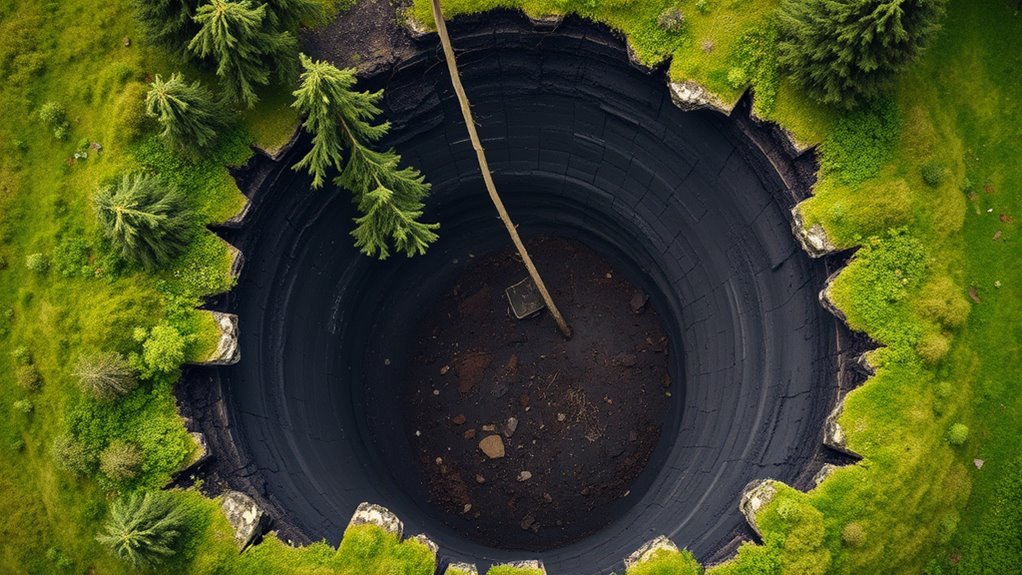
Sinkholes are very dangerous because they can happen suddenly, swallowing your property, infrastructure, or even people without warning.
They cause extensive damage to homes, roads, and critical facilities, risking injuries or fatalities.
Recognizing early signs like ground cracks or depressions can save lives, but often, sinkholes strike unexpectedly.
If you want to understand how to stay safe and protect your property, there’s more important information you need to know.
Key Takeaways
- Sinkholes can suddenly cause injuries, fatalities, and serious property damage, making them a big safety concern.
- They often happen unexpectedly, resulting in infrastructure failure, road collapses, and environmental problems.
- Hidden underground voids and caverns increase the risk of sudden, catastrophic collapses that can impact communities.
- Human activities like urban development and construction in vulnerable areas make sinkhole formation more likely.
- Detecting, monitoring, and enforcing strict building rules are key steps in preventing and reducing sinkhole hazards.
What Causes Sinkholes, and Are They Becoming More Common?
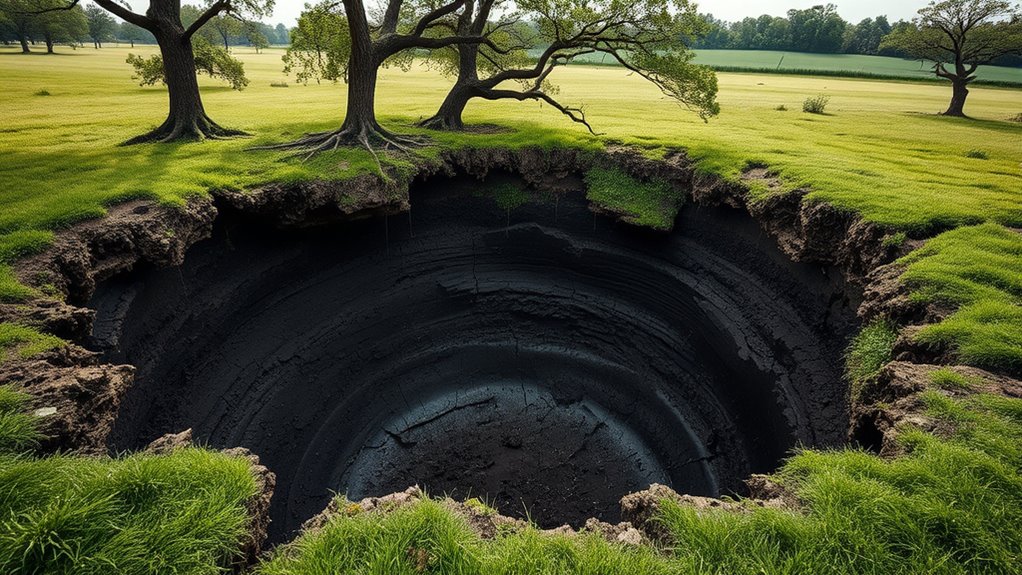
Sinkholes form when underground rock or soil dissolves or collapses, leaving a void that causes the ground above to sink suddenly. Water erosion is a major factor in creating these voids, especially over time.
As rainwater seeps into the ground, it can gradually wear away soluble rocks like limestone or gypsum. This process enlarges underground caves and tunnels, making them more likely to collapse.
When these caves grow large enough, the ceiling can weaken and give way, triggering a sinkhole. Changes in land use, such as construction and ground drilling, also increase the chances of sinkholes forming.
In recent years, there have been more reports of sinkholes, partly due to increased water use and climate change, which boost water infiltration and erosion. These natural processes happen slowly, but their effects can be sudden and dramatic once underground cavities get big enough.
Understanding how water erosion and underground caves work helps explain why sinkholes seem to be happening more often in some areas.
How Dangerous Are Sinkholes to People and Property?
While not all sinkholes cause damage, they can pose serious dangers to people and property when they happen suddenly and unexpectedly.
Historical cases, like the 2013 Florida sinkhole that swallowed SUVs and a house, show just how destructive these events can be.
When a sinkhole forms without warning, it can cause severe injuries or even fatalities, especially if you’re nearby.
Property damage is also a big concern, with buildings collapsing or infrastructure being compromised.
That’s why sinkhole prevention is so important. Geologists use surveys and soil testing to spot high-risk areas.
Building codes can also help, like reinforcing foundations or avoiding construction on vulnerable land.
Sinkholes are unpredictable, which makes them particularly dangerous.
Understanding their potential impact and taking steps to reduce the threat is crucial to protect lives and property.
Recognizing the Signs of an Impending Sinkhole
Spotting the early warning signs of an impending sinkhole can save lives and prevent property damage. While myths about sinkholes abound, understanding real indicators is essential. Keep an eye out for:
- Sudden ground cracks or depression in your yard, especially near known underground caves or previous sinkhole activity.
- Unexplained slopes or sinking areas that develop quickly, not due to natural erosion.
- Dropping or loose trees and objects, indicating shifting soil below.
Many people misunderstand sinkhole myths, thinking they happen only in certain seasons or after heavy rain. In reality, underground caves and voids formed by natural processes or human activity can silently weaken the ground.
Recognizing these signs early helps you take action before a full sinkhole forms. This way, you can safeguard your property and lives. Stay alert to subtle ground changes and don’t dismiss strange terrain as just natural features—sometimes, it’s a warning from beneath the surface.
Which Regions Are Most Prone to Sinkholes?
You’re most likely to come across sinkholes in places that have karst topography, you know, where soluble rocks like limestone can dissolve quite easily. When it rains heavily or there’s a lot of rapid water drainage from storms, these areas are especially at risk.
And it’s not just nature’s doing — human activities like building construction or pulling out groundwater can make things worse. So, if you’re curious about which spots are most prone to sinkholes, keep an eye on regions with those quick-dissolving rocks and be aware of how human actions might be tipping the scales.
Karst Topography Presence
Regions with karst topography are most prone to sinkholes because the landscape is made up of soluble rocks like limestone, gypsum, or salt beds that dissolve easily when water flows through them. This process creates unique karst formations and underground caverns that weaken the surface, causing sudden collapses.
These areas often have dramatic sinkhole features and irregular terrain due to the dissolution of underlying rocks. You’ll find such landscapes in places with a high water table, heavy rainfall, or persistent groundwater flow that speeds up erosion.
Some notable regions include Florida in the USA, parts of Mexico and Central America, and karst landscapes in certain areas of China and Southeast Europe. These locations are especially vulnerable because of their underground caverns and soluble rock formations, making them prime spots for sinkholes.
Rapid Water Drainage
Why do some areas have a higher risk of sinkholes related to rapid water drainage? These places often have soluble rocks like limestone, which dissolve quickly when water drains suddenly.
When heavy rain or fast-changing water levels wash away underground support, caves and caverns can collapse, leading to sinkholes. If you live in these areas, it’s important to understand how this process works.
Regions with fast-moving water underground tend to erode these caverns and weaken the surface layers. Shallow water tables and porous soils also make sinkholes more likely.
Places with lots of rain or quick snowmelt increase water drainage events and, in turn, the chances of sinkholes forming. Knowing this helps you stay aware of potential dangers underground.
Human Activity Impact
Human activities can significantly affect where sinkholes are most likely to happen, especially in areas with already vulnerable underground terrain. Regions with extensive urban development or underground mining are particularly at risk.
Urban construction can disturb the natural stability of the ground, especially when it involves drilling or water drainage. These activities alter underground water flow, which can contribute to sinkhole formation.
Underground mining leaves voids beneath the surface, weakening the soil and rock layers. This makes sinkholes more probable in areas affected by mining activities.
Be aware that these human interventions often speed up sinkhole formation, increasing the risk in susceptible zones.
- Areas with heavy urban development
- Regions with active underground mining
- Zones prone to rapid water drainage and groundwater extraction
How Do Sinkholes Affect Local Communities and Infrastructure?
Have you ever wondered how sudden sinkholes can disrupt daily life in nearby communities? When a sinkhole appears unexpectedly, it can swallow roads, homes, and infrastructure, causing chaos.
These collapses often connect to underground features like underwater caves and rivers, which weaken the ground above. As these underground channels erode, they create voids that make the surface unstable.
Underground caves and rivers erode, creating voids that cause surface instability and sudden sinkholes.
This instability can lead to road collapses, structural damages, or even complete land subsidence. Communities might need to evacuate or stop construction until the area is stabilized.
Emergency services are called in to assess risks and repair the damage. Local economies suffer as businesses close temporarily or permanently.
Insurance claims skyrocket, and residents live in fear of future collapses. Ultimately, sinkholes threaten safety, disrupt transportation, and damage essential infrastructure.
This highlights how important it is to understand and keep an eye on these underground phenomena.
What Are the Risks of Large-Scale Sinkhole Collapses?
Large-scale sinkhole collapses can really cause a lot of damage to buildings and roads, which means your property might be at risk. When these big land formations give way suddenly, it can be quite alarming, and you might not see it coming.
These sudden collapses can threaten lives and safety, making it important to stay aware of the risks. Knowing what to watch out for can help you recognize potential dangers in your community and protect your belongings better.
Structural Damage Risks
When a sinkhole suddenly collapses on a large scale, it can cause serious damage to buildings, roads, and infrastructure nearby. This can compromise foundation stability and threaten the safety of structures.
Large collapses often lead to costly repairs and urban disruption. To reduce these risks, it’s important to focus on proper structural reinforcement during construction and regular inspections of foundations.
Implementing early warning systems for sinkhole activity is also crucial. These measures help prevent sudden shifts and reduce the chances of catastrophic failure.
Recognizing the dangers of sinkhole-induced collapses highlights the need for preventative engineering and proactive monitoring. These steps are key to protecting communities from severe damage.
Sudden Land Collapse
A sudden land collapse from a large sinkhole can cause immediate and widespread destruction. It poses serious dangers to both people and property.
When sinkholes form quickly, underground caverns might suddenly give way, leaving a big void beneath the surface. This collapse can cause the ground to suddenly give out, swallowing everything above.
Large-scale collapses happen unexpectedly, often with little warning, making them especially dangerous. You might notice the ground crack or sink suddenly, or see a quick depression in the landscape.
The risk is higher in areas with soluble rock or underground caverns that weaken the surface over time. Because these collapses happen suddenly, they can cause severe injuries, loss of life, and significant property damage in just moments.
Property and Safety Threats
Ever wonder how seriously a big sinkhole can threaten your property and safety? Large-scale sinkhole collapses can cause serious damage and pose risks to you and your home. When underground caverns, sometimes hidden underwater, collapse, they can create sudden holes that swallow structures or destabilize foundations. If not addressed quickly through sinkhole remediation, these voids can grow and lead to more destruction.
The dangers include structural damage to buildings and roads, sudden and unexpected land subsidence, and increased risk of injury or entrapment during a collapse.
Understanding these risks helps you see why early detection and professional intervention are so important. Properly evaluating underwater caverns and performing sinkhole remediation can prevent catastrophic damage and keep you safe from these unpredictable threats.
How Can Residents Protect Themselves From Sinkhole Dangers?
To protect yourself from sinkhole dangers, stay informed about your area’s geology and watch for signs of ground instability.
Learning from past cases can help you spot early warning signs like sudden cracks or depressions in the ground.
Regularly check your property for unusual changes in the landscape, and report any concerns to local authorities.
Implement sinkhole prevention measures like maintaining proper drainage to prevent soil erosion and avoid overwatering, which can weaken underground cavities.
If your area is prone to sinkholes, consider consulting geologists or experts for assessments and advice.
Many communities have taken proactive steps based on past incidents to reduce risks.
Stay alert and understand your environment; these are your best defenses against unexpected sinkholes.
What Should You Do if a Sinkhole Forms Near You?
If you notice signs that a sinkhole has formed nearby, you need to act quickly to ensure your safety. Sudden ground shifts or cracks in the soil can signal underground caves collapsing, which threatens soil stability.
To stay safe, move away from the area immediately, keeping a safe distance from the edges that might collapse further. Avoid driving or walking over the suspected sinkhole site to prevent getting trapped or injured.
Stay alert for falling debris or further ground movement. Listen for unusual sounds indicating ongoing collapse.
How Do Scientists Monitor and Predict Sinkholes?
Scientists monitor and predict sinkholes by using advanced technology to spot signs of ground instability before a collapse happens. They look at soil movement, underground caverns, and changes in water levels to understand the risk of sinkholes forming.
This proactive approach helps prevent sinkholes and reduces potential damage. Technologies like ground-penetrating radar, LiDAR, and seismic sensors detect subtle underground changes. These tools can alert experts to possible hazards early on.
Are There Safe Building Guidelines in Sinkhole-Prone Areas?
Are there effective building guidelines in sinkhole-prone areas? Yes, several strategies aim to reduce risks and protect property. These guidelines typically include:
- Conducting comprehensive soil testing before construction to assess stability.
- Using specialized foundation techniques like pilings or mat foundations to prevent subsidence.
- Implementing land-use policies that restrict development in high-risk zones.
Following these guidelines minimizes potential environmental impact, preserving natural ecosystems and groundwater flow. Furthermore, adhering to strict building codes can influence insurance policies, often resulting in lower premiums due to reduced risk.
Proper planning and construction not only safeguard property but also help mitigate dangerous sinkhole formation. It’s essential that local authorities enforce these standards to protect residents and the environment. While no method is foolproof, strict adherence to safe building practices offers a significant advantage in managing sinkhole threats effectively.
Frequently Asked Questions
Can Sinkholes Occur Suddenly Without Warning?
Yes, sinkholes can happen suddenly without any warning, catching you off guard.
While they usually develop slowly over time, sometimes they just appear out of nowhere.
There are warning signs like cracks in the ground, doors or windows that don’t quite fit, or a dip in the land surface.
Being aware of these signs can help you spot trouble early on.
To stay safe and reduce the risk, consider regular land surveys and fixing any issues you notice early.
Staying vigilant and paying attention to these indicators allows you to act quickly and minimize damage.
How Deep Can Sinkholes Typically Become?
Sinkholes can vary greatly in depth, often reaching as deep as 100 feet, but sometimes they can be even deeper.
Their formation mainly happens because of limestone erosion within geological formations, which slowly weakens the ground.
As underground cavities grow larger, the surface suddenly collapses, creating a sinkhole.
The depth of a sinkhole depends on how much limestone has eroded and how big the underground cavity is.
Some sinkholes can be surprisingly deep and pose serious hazards.
Are Animals at Risk Near Sinkhole-Prone Areas?
Animals near sinkhole-prone areas face serious risks. You might notice wildlife getting disrupted as animals run away or get caught in the collapse.
Habitat loss happens when sinkholes swallow up nests or shelters, leaving animals with fewer places to live. These sudden ground collapses can hurt many species, forcing them to move or get injured.
If you’re concerned about local ecosystems, it’s important to keep an eye on these areas. Protecting wildlife and reducing the wider impacts of sinkholes should be a priority.
Do Sinkholes Affect Underground Utilities?
Picture your urban infrastructure suddenly swallowing itself in a sinkhole’s belly—chaos, right? Yep, sinkholes can wreak havoc on underground utilities, causing water, gas, or electrical failures.
They threaten property safety by destabilizing the ground beneath structures. When the earth disappears beneath your feet, utility lines can break or shift, risking accidents and costly repairs.
Stay alert; sinkholes aren’t just underground quirks—they’re serious risks to your infrastructure and safety.
Can Climate Change Influence Sinkhole Frequency?
Yes, climate change can influence sinkhole frequency. Changing climate patterns lead to more intense rainfall and droughts, which can weaken geological stability.
Heavy rainwater seeps into underground cavities, causing erosion and increasing the chance of sinkhole formation. Conversely, droughts dry out the ground, leading to subsidence.
These fluctuations make areas more vulnerable. So, you should stay alert in regions experiencing significant climate shifts, as they can heighten sinkhole risks.
Conclusion
While sinkholes seem like natural disasters you might barely notice until they happen, the real danger comes from ignoring warning signs. Ironically, the ground beneath our feet, which should keep us safe, can suddenly turn against us without warning.
Staying alert and prepared isn’t just smart—it’s your best defense. It’s almost poetic how something so unseen can suddenly threaten everything you’ve built.
Knowing the dangers of sinkholes helps you stay safe. Remember, the earth keeps secrets, but you don’t have to be in the dark about them.