How to Determine if Air-to-Water Heat Pumps Are Worth It
Looking to cut your energy bills and be more eco-friendly? You’re not alone—many people struggle with choosing the right heating system for their home.
To decide if an air-to-water heat pump is worth it, consider your climate, home size, insulation, and energy costs. These systems work best in milder weather, and proper sizing plus good insulation maximize savings.
Installation costs vary, but long-term energy savings and a reduced carbon footprint can make it worthwhile.
If you want to learn how to evaluate your home’s suitability and get the most benefits, investigate further details below.
Key Takeaways
- Check your local climate; milder weather usually means better efficiency and savings with air-to-water heat pumps.
- Calculate how much you might save on your energy bills to see if it’s a good long-term investment.
- Look into installation and maintenance costs and compare them with your expected savings and how long the system will last.
- Make sure your home is properly insulated and the system is correctly sized to get the best performance and comfort.
- Pick certified, experienced installers to ensure your system is set up right and runs reliably.
How Do Air-to-Water Heat Pumps Work and What Are Their Main Benefits?
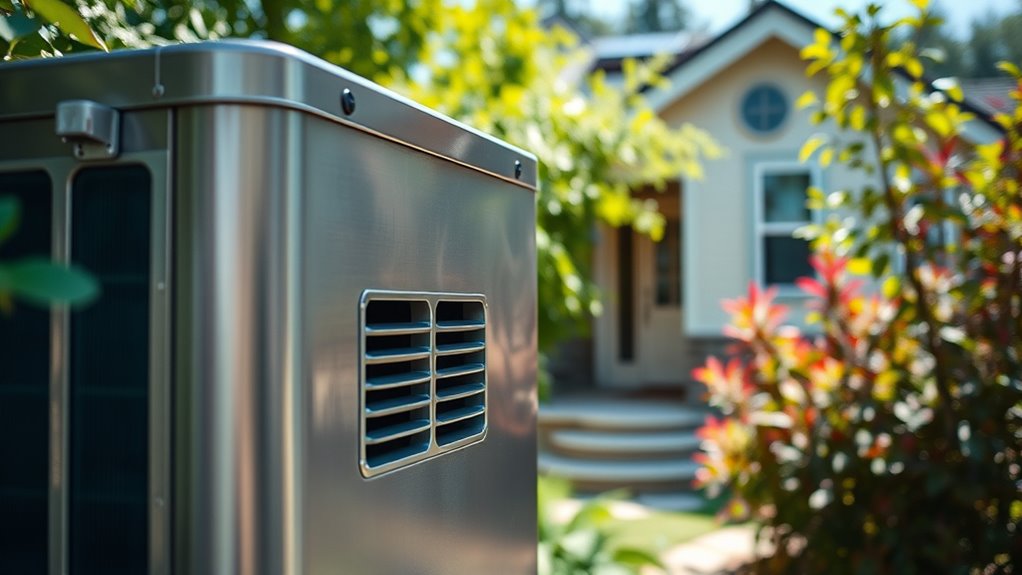
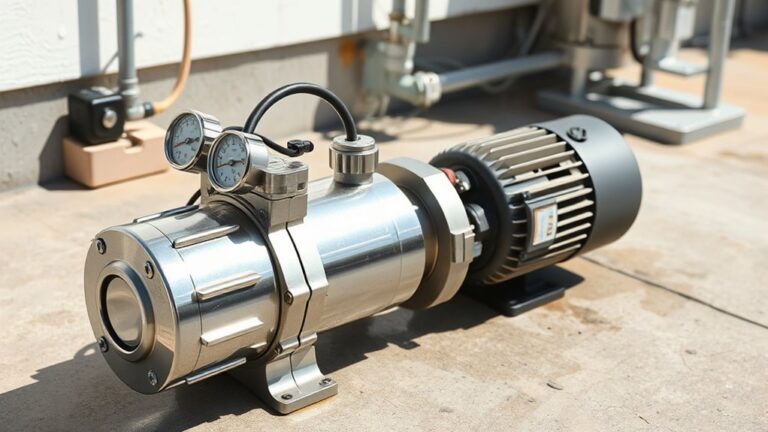
Air-to-water heat pumps work by taking heat from the outside air and moving it inside to heat your home or water supply. They rely on a refrigerant cycle where a refrigerant absorbs heat from the air as it evaporates and then compresses to raise the temperature.
The refrigerant then releases this heat during condensation, transferring it to your home’s heating system or hot water tank through a heat exchanger. This process keeps going, providing steady, efficient warmth.
One big advantage is that they can produce heat even during colder weather thanks to advanced compressor tech. Since heat transfer happens through the refrigerant cycle, these systems are very efficient and use less electricity than traditional furnaces.
Plus, they can also cool your home in summer, making them a versatile solution. Overall, air-to-water heat pumps are eco-friendly, cost-effective, and help reduce your carbon footprint.
Is Your Climate Suitable for Air-to-Water Heat Pump Efficiency?
Ever wondered if your climate supports the efficiency of an air-to-water heat pump? Your local weather plays an important role in how well the system performs and keeps your home comfortable.
In milder climates, heat pumps run more efficiently because they don’t have to work as hard to extract heat from outside air. When temperatures drop severely, their efficiency decreases, impacting your energy savings and indoor comfort.
It’s important to evaluate your climate’s typical temperature ranges to see if an air-to-water heat pump is right for you. If you experience mild winters, you’re more likely to enjoy maximum efficiency and consistent warmth.
On the other hand, extremely cold climates may require supplemental heating or advanced models designed for harsh conditions. Considering these factors helps you make an informed decision for a warm, cozy home year-round.
How Much Do Air-to-Water Heat Pumps Cost to Install and Operate?
Understanding the costs involved in installing and operating an air-to-water heat pump is essential when evaluating this heating option. The initial investment typically ranges from $8,000 to $15,000, depending on system size and complexity. Beyond installation, it’s a good idea to do a cost analysis to see if you’ll save money in the long run compared to traditional heating systems.
Here are some key points to consider:
- Installation Costs: Include labor, permits, and system components.
- Operating Expenses: Expect lower electricity bills, usually around 30 to 50 percent savings compared to conventional systems.
- Maintenance Tips: Regularly clean filters and have professional inspections annually.
- Long-term Savings: Because of reduced energy use, heat pumps can be cost-effective over time, making the higher upfront cost worth it.
How Do Home Size and Insulation Affect Heat Pump Performance?
The size of your home and the quality of its insulation are key factors in how well a heat pump can heat your space. Larger homes need more energy to warm up, which can affect the system’s efficiency.
If your home is too big for the heat pump’s capacity, it might struggle to keep things comfortable. This can lead to higher energy bills because the system has to work harder.
Good insulation is just as important. When your home is well-insulated, it retains heat better, so your heat pump doesn’t have to run as often. This makes it more efficient and helps save you money.
On the other hand, poor insulation lets heat escape, which makes the system work harder and reduces its energy efficiency. Proper insulation helps maximize performance and keeps costs down.
When deciding if a heat pump is right for your home, think about both its size and insulation quality. These factors directly impact how well your system maintains comfort and saves energy.
What Are the Environmental Advantages of Using Air-to-Water Heat Pumps?
Using air-to-water heat pumps is a great way to help the environment. They reduce greenhouse gas emissions because they don’t depend so much on burning fossil fuels. Instead, they use renewable energy from the air, which is much better for our planet.
Reduced Greenhouse Gas Emissions
Are air-to-water heat pumps truly adding to pollution levels, or can they actually help reduce your carbon footprint? These units use renewable technology to provide heating and cooling while cutting emissions. Here’s how they contribute to emission reduction:
- They run on electricity, which can come from renewable energy sources, reducing reliance on fossil fuels.
- Their high efficiency lowers overall energy use, helping minimize greenhouse gases.
- They produce no direct emissions during operation, lowering your household’s environmental impact.
- By replacing traditional heating systems, they help shrink your carbon footprint over time.
Utilization of Renewable Energy
Opting for an air-to-water heat pump lets you use renewable energy sources like ambient air, making your home more eco-friendly. This technology converts outdoor air into heating and cooling with minimal environmental impact.
By relying on natural airflows, you can reduce dependence on fossil fuels and boost your energy independence. This shift not only cuts greenhouse gas emissions but also promotes sustainable resource use.
Since air-to-water heat pumps work efficiently in all seasons, they make renewable energy practical year-round. Choosing this option helps you consume cleaner energy and lessen environmental strain.
Ultimately, embracing this technology supports a healthier planet while providing a reliable, eco-friendly heating and cooling solution.
Lower Carbon Footprint
Because they harness ambient air, air-to-water heat pumps greatly reduce your home’s carbon emissions compared to traditional systems. They efficiently use clean energy sources, supporting renewable integration and lowering your overall impact.
Here are four environmental benefits:
- Lower Emissions: Cutting down on fossil fuel use means fewer greenhouse gases released into the atmosphere.
- Energy Efficiency: They consume less energy, which helps shrink your carbon footprint.
- Renewable Support: They’re compatible with solar and wind systems for even cleaner energy use.
- Sustainable Heating: Using greener tech helps you join the fight against climate change.
What Are Common Challenges and Limitations of Air-to-Water Heat Pumps?
What challenges might you face when considering air-to-water heat pumps? One challenge is that technological advancements are still ongoing, so some units may lack efficiency or reliability compared to traditional systems. Market trends show increasing adoption, but not all models are *also* suited to every home or climate.
Performance can drop *considerably* in extremely cold weather, limiting their effectiveness without supplemental heating. Installation costs can *considerably* be higher than expected, especially if your property requires extensive modifications.
Extremely cold weather can significantly reduce performance, and extensive modifications may lead to higher installation costs.
*Furthermore*, maintenance and repair might be more complicated or costly due to specialized components. While innovations are improving efficiency and durability, some models still struggle with noise levels or restricted compatibility with existing heating systems.
Before investing, weigh these limitations against the potential benefits. Stay informed about market trends and technological advancements to make the most suitable choice for your needs.
How Do Air-to-Water Heat Pumps Compare to Other Heating Systems?
When you’re comparing air-to-water heat pumps to other heating systems, it’s helpful to think about their efficiency and how they work in different kinds of weather. They tend to be quite energy-efficient, especially in milder climates, but their performance can drop a bit when temperatures get really cold.
Then there’s the cost of installation and what you can expect to pay over the long run. Generally, installing an air-to-water heat pump might cost more upfront compared to traditional systems, but savings on energy bills over time can balance that out. Plus, it’s worth thinking about how much maintenance they’ll need and how durable they are.
And of course, for those who care a lot about the environment, air-to-water heat pumps are usually a greener choice since they use renewable energy sources and emit fewer greenhouse gases. All these factors together can help you decide which system is the best fit for your home, your budget, and your values.
Efficiency and Performance
Are air-to-water heat pumps truly competitive when it comes to efficiency and performance? They often outperform traditional systems during moderate climates and can lead to significant energy savings. Here’s how they compare:
- Efficiency: Heat pumps capture ambient heat and usually reach coefficients of performance (COP) between 3 and 4. That means they produce 3 to 4 units of heat for every unit of electricity used.
- Energy Savings: You’ll notice lower utility bills compared to electric or gas furnaces, especially in milder weather conditions.
- Maintenance Requirements: They require minimal upkeep, mainly annual checkups and occasional cleaning of filters and fans.
- Performance in Cold Weather: While less effective in extreme cold, newer models have improved and can maintain competitive efficiency levels even during colder months.
Installation and Costs
Installing an air-to-water heat pump involves upfront costs that can vary widely depending on factors like the size of your property, system complexity, and regional labor rates.
While the initial expense might be higher than traditional systems, many homeowners save money on energy bills, especially with high energy ratings.
To keep your system running smoothly and last longer, regular maintenance like checking filters and scheduling professional inspections is important.
Compared to conventional furnaces or boilers, air-to-water heat pumps tend to operate more quietly and are more energy-efficient, which can make the higher installation cost worthwhile.
When considering your options, think about these benefits along with the potential long-term savings and comfort.
Proper installation and ongoing maintenance are essential to ensure your investment pays off over time.
Environmental Impact
Air-to-water heat pumps are generally more environmentally friendly than traditional fossil fuel systems because they produce fewer greenhouse gas emissions. They harness renewable energy from the air, making them a sustainable choice. Compared to oil or gas systems, they significantly reduce carbon output, helping you meet your carbon reduction goals.
They utilize ambient air, which is a renewable resource, so there’s less reliance on fossil fuels. This means fewer greenhouse gases are emitted, supporting efforts to combat climate change.
Their high energy efficiency also helps lower overall electricity consumption. Plus, they can be combined with renewable energy sources like solar panels for even cleaner operation.
What Factors Influence Your Potential Savings With a Heat Pump?
Several key factors can significantly impact how much you save with a heat pump. One major element is energy incentives, which can lower upfront costs or provide rebates, making the installation more affordable. These incentives vary by location and can boost your overall savings.
Maintenance requirements are another critical factor. Regular upkeep keeps your system running efficiently, helping you avoid costly repairs and get the most out of your investment. If your home already has good insulation, you’ll see better savings because less energy is needed to maintain comfortable temperatures.
Your local climate also plays a role. Milder winters help your heat pump work more efficiently, increasing your savings. Additionally, your current energy rates influence overall costs—higher rates lead to greater potential savings.
Finally, the size and efficiency of your heat pump matter. Choosing the right capacity ensures it performs well and maximizes your savings. All these factors together determine how financially beneficial a heat pump will be for your home.
Is an Air-to-Water Heat Pump Right for Your Home?
Thinking about whether an air-to-water heat pump is a good fit for your home? Well, you’ll want to consider a few things first. For starters, look at your home’s insulation and how much heating you usually need—those details really matter.
Climate is also a factor because these systems tend to work best when the temperatures are moderate. And don’t forget about the installation costs—it can vary quite a bit depending on your location and setup. By weighing all these points, you can figure out if a heat pump makes sense for you both practically and financially.
Home Suitability Factors
Before investing in an air-to-water heat pump, you’ll want to see if your home has the right features to work efficiently. Several factors come into play to determine if your home is a good fit.
Insulation and airtightness are important because they impact your energy bills and indoor air quality. Well-insulated, airtight homes keep the heat in and reduce system strain.
Next, consider the size and layout of your space. Proper heat distribution and system capacity depend on these factors, so it’s worth measuring.
Also, check if you have existing ductwork or radiant heating systems. These can make it easier to integrate the heat pump and improve overall performance.
Lastly, think about your home’s climate zone and how stable the temperatures are. This will affect how well the heat pump performs throughout the year.
Climate Compatibility Considerations
Evaluating your home’s climate is important because air-to-water heat pumps work best in moderate temperatures. Their efficiency can drop significantly when outdoor temperatures get very cold. If you have harsh winters, you might need backup heating, which can affect your overall savings.
Climate also influences solar options—less sunlight means solar-assisted heat pumps might not be as effective. Check the table below to see how different temperatures affect performance and what adjustments may be needed:
| Temperature Range | Efficiency Impact | Suitable Modifications |
|---|---|---|
| Mild | High | Minimal adjustments |
| Moderate | Very high | Suitable for solar integration |
| Cold | Reduced | Backup heating may be needed |
| Very Cold | Low | Less ideal without enhancements |
Knowing your climate helps you decide if an air-to-water heat pump is right for your energy needs and maintenance preferences.
Installation and Cost Aspects
Installing an air-to-water heat pump involves upfront costs and space considerations. You’ll want to look at installation expenses, which usually include equipment, labor, and possible upgrades to your current system.
To make sure it performs well in the long run, follow these steps: check if your site can handle the unit comfortably, review warranty coverage to protect your investment, understand maintenance tips to keep it running smoothly, and calculate potential savings compared to traditional heating methods.
While the initial costs can seem high, many find the energy savings are worth it. Proper installation is crucial, so be sure to choose professional installers. Regular maintenance like cleaning filters and checking ductwork can extend its lifespan and keep it running efficiently, giving you peace of mind and maximum value.
What Questions Should You Ask Your Installer to Ensure a Good Fit?
To make sure your air-to-water heat pump is a good fit, you should ask your installer some key questions about their experience, the equipment they use, and the installation process.
Start by asking about their technician credentials to confirm they’re trained and certified for HVAC system installs. It’s also helpful to find out how much experience they have with energy-efficient systems, especially with models similar to what you’re considering.
Find out how they assess your home’s heating needs to recommend the right size and efficiency level for your system. Clarify their installation process so you understand timelines and what kind of site prep might be needed.
Don’t hesitate to ask about warranty coverage and what kind of support they offer after installation. You should also inquire about how they optimize energy efficiency during the install, which can save you money and improve performance.
Asking these questions helps confirm your technician’s expertise, ensures high-quality equipment is used, and guarantees your system will work efficiently and last longer.
Frequently Asked Questions
How Long Is the Typical Lifespan of an Air-To-Water Heat Pump?
An air-to-water heat pump usually lasts around 10 to 15 years.
You can make it last longer by following a regular maintenance schedule. This includes things like cleaning filters and checking refrigerant levels.
Efficiency ratings matter too—units with higher ratings tend to last longer because they run more efficiently.
Can Air-To-Water Heat Pumps Provide Both Heating and Cooling?
Did you know that air-to-water heat pumps can provide both heating and cooling, making them versatile? Yes, they do, thanks to their ability to reverse the refrigeration cycle.
This dual functionality boosts energy efficiency, helping you save on your energy bills. Plus, because they operate efficiently, they also lower your environmental impact.
Are There Tax Incentives or Rebates for Installing a Heat Pump?
Yes, you can benefit from tax incentives and rebate programs when installing a heat pump.
Many governments and utility companies offer these financial incentives to encourage energy-efficient upgrades.
These rebates can help lower your initial costs and make installation more affordable.
Be sure to check your local and federal programs, as the eligibility and incentives vary.
Taking advantage of these programs is a great way to save money while enjoying a modern, energy-efficient heating system.
What Maintenance Does an Air-To-Water Heat Pump Require?
You’ll need to regularly check and clean the filters to keep your air-to-water heat pump running efficiently.
It also requires annual professional inspections to ensure peak performance and catch potential issues early.
Compared to traditional systems, the efficiency makes the maintenance worth it.
However, be aware of installation challenges, like proper placement and ensuring a good outdoor environment, which impact long-term performance and maintenance needs.
How Does Noise Level Compare Between Different Heat Pump Models?
Noise levels vary between models, with newer or high-efficiency heat pumps usually being quieter. You’ll notice some models produce very little sound during operation, thanks to advanced soundproofing.
It’s a good idea to compare noise levels before buying and check the decibel ratings to ensure comfort. Keep in mind, outdoor units tend to be noisier than indoor ones.
Conclusion
So, now that you’re armed with all this info, go ahead and decide if an air-to-water heat pump is your new best friend or just another fancy gadget gathering dust.
Just remember, whether it’s saving the planet or your wallet, the real question is: are you ready to adopt the future of cozy living or stick with your tried-and-true, slightly less green, but more predictable heater?
The choice is yours. Cue dramatic music.