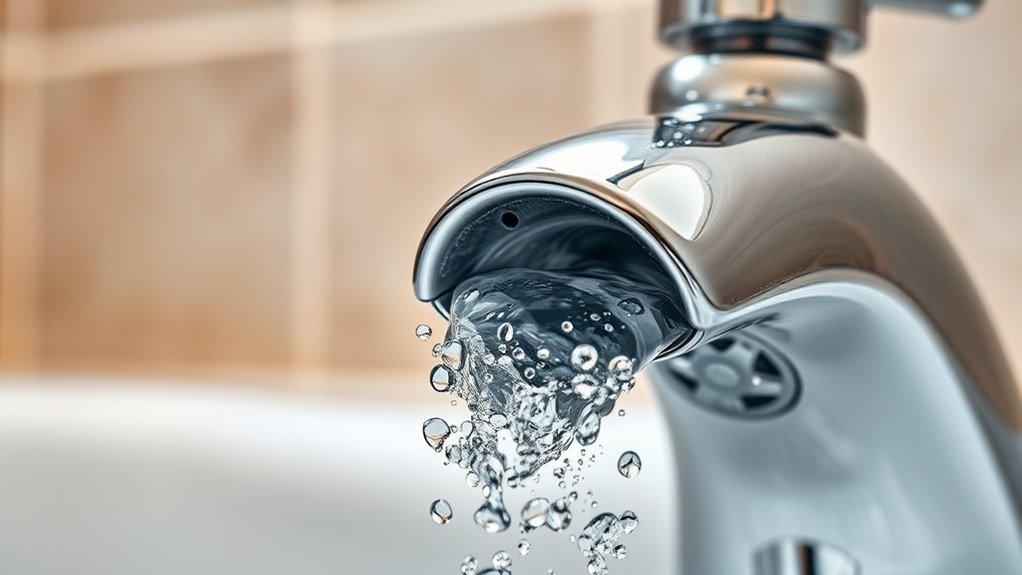
Why Does My Bathtub Faucet Keep Running?
Are you tired of that persistent dripping sound from your bathtub faucet? You’re not alone—many people struggle with faucets that won’t stop running, wasting water and increasing your bills. Fixing this annoying issue can feel overwhelming, but understanding the cause is the first step.
Your bathtub faucet keeps running because internal parts like worn-out washers, faulty valves, or mineral buildup prevent it from shutting off completely.
Over time, debris and corrosion damage these components, causing leaks or continuous flow. You might notice stiff handles, noise, or water stains as signs.
If you want to understand how to fix it or prevent future issues, there’s more to uncover that can help you keep your faucet working smoothly.
Key Takeaways
- Worn or damaged internal valves or cartridges may not shut off completely, so water keeps running.
- Mineral buildup, debris, or corrosion inside the parts can stop proper sealing, leading to a dripping faucet.
- Loose or corroded fittings and valve seats can cause leaks and continuous water flow.
- Worn washers or O-rings often fail to create a good seal, making water leak and keeping the faucet running.
- Skipping regular maintenance and inspections can let buildup and damage get worse, causing the faucet to run constantly.
Why Is My Bathtub Faucet Still Running Even After Turning It Off?
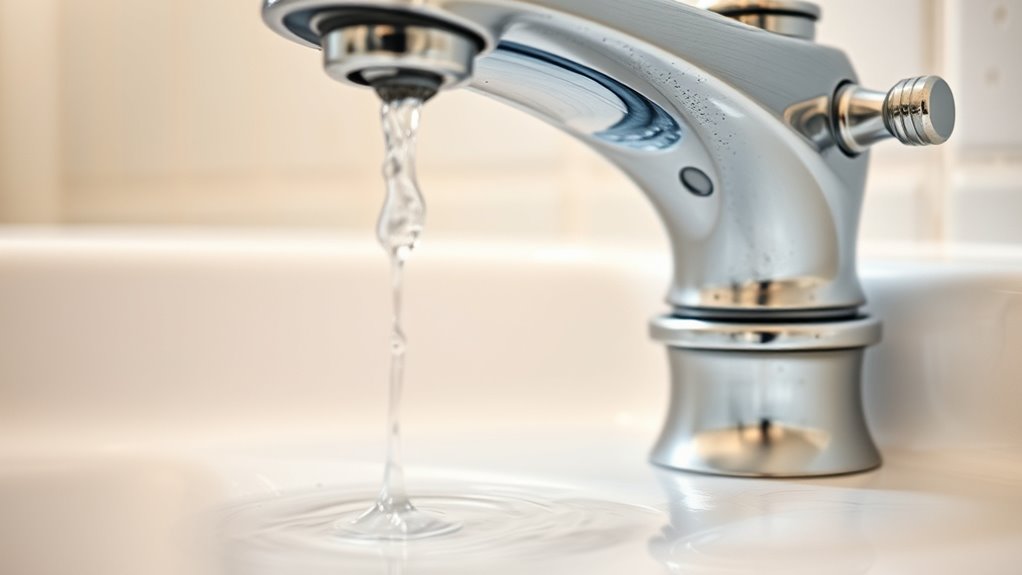
When your bathtub faucet keeps running even after you turn it off, it usually means something inside the valve or cartridge isn’t working right. This constant water flow can waste a lot of water, affecting your conservation efforts and hiking up your utility bill.
While fixing the issue, think about how your bathroom decor shows your personal style. Simple repairs can do wonders for both how your bathroom looks and works.
Simple repairs can enhance your bathroom’s style and functionality.
A faulty valve or worn-out cartridge causes water to leak continuously, even when the handle is off. You might see the faucet dripping or hear water running nonstop.
Addressing the problem quickly helps you avoid bigger damage and saves water. Proper repairs improve your bathroom’s look and help you be more eco-friendly.
Regular maintenance and replacing parts when needed keep your faucet working smoothly. This not only saves water but also helps your bathroom look its best.
How to Diagnose If Your Faucet Is Leaking or Dripping
Want to find out if your faucet is leaking or just dripping? It’s pretty simple to start. First, take a close look around the faucet and the pipes—you might spot some water or moisture that shouldn’t be there.
Next, listen carefully. Even if the faucet is turned off, you might hear that faint sound of water dripping—that’s often a sign there’s a leak somewhere.
And don’t forget to check out the parts themselves. Look at the washers, valves, and other components for any signs of damage, cracks, or wear. Sometimes, these little issues can cause the faucet to leak or drip, so a quick inspection can really help pin down the problem.
Check For Visible Leaks
Sometimes, leaks or drips are obvious signs that your faucet needs attention. Start by inspecting around the faucet and underneath for visible puddles or water stains.
Look for corrosion, mineral buildup, or loosened parts that might cause leaks. A dripping faucet can waste water and damage your bathroom decor with water stains or damage.
If you find puddles or water spots, tighten fittings or replace worn-out washers or seals. Visually inspecting helps you see if the leak is small or widespread, guiding your next steps.
Catching leaks early not only keeps your bathroom looking better but also helps conserve water. Remember, even minor leaks can add up over time, so prompt inspection and repairs are important.
Listen For Drips
How can you tell if your faucet is leaking just by listening? Usually, you’ll notice a soft drip, even when no one’s using the tap. Listen closely near your modern designs or luxury fixtures—any consistent, rhythmic dripping sounds indicate a leak.
Sometimes, the drip might be faint but still audible, especially in quiet mornings. If your faucet runs continuously after turning it off, it’s a clear sign of a leak. These sounds can help you catch issues early before they get worse.
Keep in mind, older faucets with traditional designs are more prone to dripping. But even modern fixtures can develop silent leaks. Paying attention to these subtle noises helps you diagnose problems early, before they turn into costly repairs.
Inspect Faucet Components
Wondering whether your faucet is truly leaking? Start by inspecting its components. In old plumbing, finding worn-out parts was a hassle, but modern fixtures make it easier.
Check for issues like loose handles or corroded valve seats. Listen for sounds of water running and look for drips or leaks. These small signs can help identify problems early.
Here are the key components to inspect:
- O-rings and washers: These often cause leaks when they wear out.
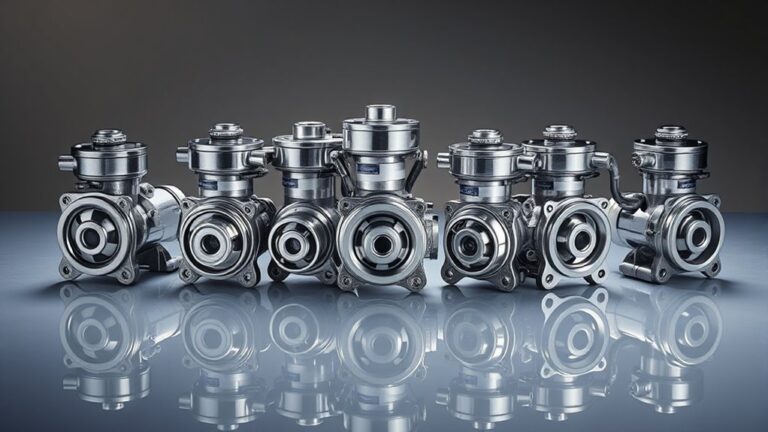
- Cartridges or valve stems: Cracks or damage here can lead to leaks.
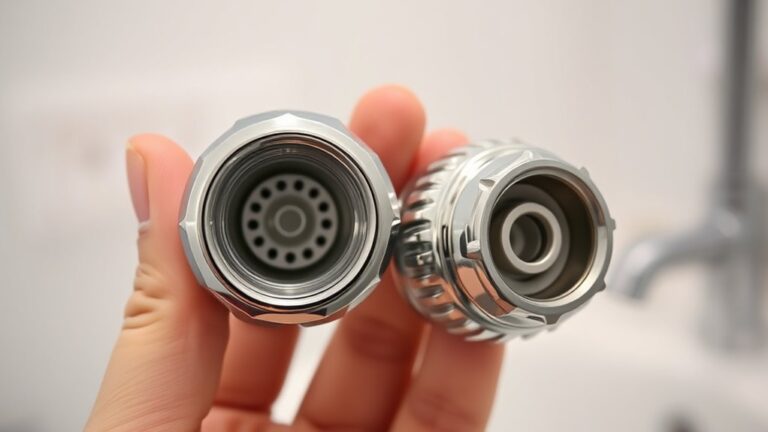
- Aerators: If blocked or clogged, they cause constant dripping.
- Faucet body connections: Loose fittings can also be a source of leaks.
Common Causes of a Constantly Running Bathtub Faucet
A common reason your bathtub faucet keeps running is a faulty washer or O-ring that fails to create a proper seal. When these parts are worn or damaged, water keeps flowing unnecessarily, wasting both water and money.
During a bathroom renovation, replacing worn parts is important to improve efficiency and prevent ongoing problems. A faulty washer or O-ring can also cause your faucet to leak constantly, affecting water conservation efforts.
Over time, mineral buildup or age can cause these parts to break down, which is why your faucet runs even when it isn’t in use. Fixing this problem early helps you save water and lowers your utility bills.
Regular maintenance, especially after a bathroom upgrade, makes sure all seals stay tight and work properly. Getting problems like this sorted out early can make a big difference in keeping your bathtub faucet working well.
How Worn-Out Washers Can Make Your Faucet Drip Nonstop
When washers get old, they often start to crack or become flat. This can easily cause your faucet to drip all the time. It’s pretty frustrating to hear that constant dripping, right? But don’t worry — it’s usually because the washer isn’t sealing properly anymore.
The good news is, replacing a worn-out washer is pretty simple. Once you swap it out, that nonstop drip should be a thing of the past in no time!
Signs of Wear and Tear
When washers inside your faucet become worn or damaged, they can fail to create a proper seal, which often leads to a continuous drip. Recognizing signs of wear and tear can save you time and money.
You might notice water constantly dripping after use, especially if you observe it during bathroom decor arrangements or routine tub cleaning. Sometimes, the faucet handle feels loose or stiff, indicating internal wear.
Other signs include mineral buildup around the spout or discolored, cracked washers. Pay attention to strange noises or inconsistent water temperature, which may also suggest worn parts.
Regular inspection and maintenance can prevent the faucet from running nonstop, keeping your bathroom efficient and looking great. Prompt troubleshooting helps maintain a functional, drip-free bathtub faucet.
Impact on Water Flow
Damaged washers can directly affect how water flows through your faucet, often causing it to leak constantly. When washers wear out, they can’t create a proper seal, leading to inconsistent water flow and ongoing dripping.
This not only wastes water but also makes it harder to control your water pressure accurately. To understand this better, look at some common effects:
| Effect | Cause | Impact |
|---|---|---|
| Water wastage | Worn-out washer | Increased water bills |
| Reduced flow | Damaged washer | Poor water delivery |
| Unsteady flow | Misaligned parts | Fluctuating water pressure |
| No flow interruption | Seized washer | Faucet completely off |
| Continuous drip | Loose washer | Water conservation issues |
Keeping your washers well-maintained helps preserve flow regulation and reduces unnecessary water waste.
Simple Replacement Process
Replacing a worn-out washer is a simple process that can quickly stop your faucet from dripping nonstop. First, turn off the water supply and remove the handle, whether your faucet has a vintage style or modern fixtures. Carefully extract the old washer, which is often the cause of leaks due to wear.
When installing the new washer, make sure it fits snugly to prevent future drips. Use the correct tools, like a wrench or screwdriver, to make the job easier. It’s also a good idea to inspect the valve seat for damage and check for other worn parts to avoid future leaks.
This quick fix works for many faucet types and styles. It keeps your bathtub flowing smoothly, whether your style is vintage or modern.
Why Faulty or Stuck Valves Cause Continuous Running
Faulty or stuck valves are often the main reason behind a constantly running bathtub faucet. They fail to shut off properly after you turn the handle, so water keeps flowing.
When valves get stuck or wear out, they can’t control water flow correctly, especially during high demand or pressure changes. Mineral buildup or debris can cause the valve to stick, preventing a full seal and leading to leaks.
Leaks and continuous water flow can cause visible stains or corrosion around your fixtures, affecting how they look. To fix this, you usually need to inspect the valve and replace any faulty parts to restore control of the water.
If you don’t repair stuck valves, water waste continues and your utility bills will climb. Regular maintenance and timely repairs help keep your faucet working well and looking good.
How Loose Parts Lead to Faucet Leaks and Persistent Running
When parts inside your faucet become loose or misaligned, they can break the tight seal needed to stop water flow. This lets water leak or run constantly, even when the tap is off.
Over time, corrosion can weaken internal components, making them more likely to loosen under high water pressure. Loose washers, O-rings, or valve stems might not press firmly against their surfaces, leading to leaks and continuous running.
To prevent these issues, check for worn or corroded washers and O-rings.
Also, look for misaligned valve stems or cartridges.
Make sure fittings and screws aren’t loosening over time.
Keep an eye out for signs of corrosion on internal parts, which can cause them to fail.
How Mineral Buildup and Corrosion Contribute to Faucet Problems
Mineral buildup and corrosion are common culprits behind faucet problems because they gradually erode parts and impair how everything works. Over time, mineral deposits from hard water build up inside your faucet’s components, narrowing the pathway and reducing water flow.
These deposits can cause your faucet to leak or keep running because they prevent the valve from sealing properly. Corrosion also plays a big role, especially in older fixtures. Rust and decay weaken metal parts, leading to deterioration and difficulty in operation.
You might notice staining or roughness, which signals corrosion damage. Both mineral buildup and corrosion weaken internal components, causing leaks or a faucet that won’t stop running. Regular cleaning and inspection help prevent these issues from getting worse.
Addressing buildup early keeps your faucet working properly and extends its lifespan. Maintaining your faucet through routine checks and cleaning helps avoid costly repairs down the line.
How to Check If Your Faucet Cartridge Is Failing
Your faucet cartridge is a crucial part in controlling both water flow and temperature. If you notice your faucet leaking often or the water flow feels inconsistent, it might be failing. To check, perform a simple cartridge inspection during troubleshooting.
First, turn off the water supply to stop any water from flowing while you’re working. Next, remove the handle and access the cartridge.
Look for signs of wear like cracks, mineral buildup, or corrosion on the cartridge. You might also notice that the cartridge moves loosely or doesn’t sit firmly in place. While inspecting, keep these points in mind:
- Check for mineral deposits or corrosion
- Test if the handle feels loose or sticks
- Observe if water keeps dripping after shutting off
- Confirm if temperature control feels inconsistent
Performing this inspection helps you figure out if the cartridge needs replacing. It can save you time and prevent further faucet problems.
When Should You Consider Replacing the Entire Faucet?
Although fixing a small faulty valve or cartridge can solve many issues, sometimes replacing the entire faucet is the better choice.
If your faucet is old, corroded, or shows signs of wear, upgrading can boost both your bathroom’s look and functionality.
Frequent leaks or continuous running may point to deeper problems that are better addressed with a new faucet.
Consider replacing it if repairs no longer last, especially if saving water is important to you.
An outdated faucet can waste a lot of water, which raises your bills and hurts the environment.
Upgrading to a modern, water-saving model can make your bathroom look fresher while reducing your ecological footprint.
If your current faucet doesn’t match new fixtures or styles in your bathroom, replacing it can help create a cohesive look.
Ultimately, when repairs become costly or don’t work well, replacing the faucet makes more sense for better performance and style.
Tips for Fixing a Running Bathtub Faucet and Preventing Future Leaks
Got a bathtub faucet that’s constantly running? The first thing you want to do is figure out what type of faucet you have—that way, you’ll know exactly how to fix it. Whether it’s a compression, cartridge, or washerless faucet, each one needs a slightly different approach.
Once you’ve identified the type, the next step is to replace any worn-out parts, like washers or cartridges, that might be causing the leak. Sometimes, just swapping out these small components can do the trick!
And here’s a tip—don’t forget to do regular inspections on your faucet. Catching tiny issues before they turn into bigger problems can save you a lot of hassle down the line. Taking good care of your faucet now helps prevent leaks before they start.
Identify Faucet Type
Identifying the type of faucet you have is a crucial first step in fixing a running bathtub faucet. Different styles, like a compression, ball, cartridge, or ceramic disc faucet, require different repair methods.
Recognizing your faucet type helps you pick the right tools and avoid unnecessary mistakes. Pay attention to details like handles, the presence of a rotating ball mechanism, or a cartridge insert.
Your choice of faucet also affects bathroom decor, making it important for aesthetic consistency. Knowing your faucet type makes tub cleaning more efficient since some models trap more debris.
Here’s what to look for:
- Single handle versus double handle
- Presence of a visible cartridge or ball mechanism
- Metal or plastic components
- Handle operation style — turning, lifting, or pushing
Replace Worn Components
Once you’ve identified the type of faucet you have, the next step is to replace worn components to fix a running bathtub faucet. Over time, parts like washers, O-rings, and cartridges wear out, causing leaks and poor water flow.
Check for damage or corrosion, especially around parts with decorative finishes that can hide wear. Replacing these parts restores water pressure and stops drips.
Use the following guide to understand the vital parts:
| Part | Function | Replace When |
|---|---|---|
| Washer | Stops water flow when off | Worn or cracked |
| O-Ring | Provides seal around moving parts | Torn or shrinking |
| Cartridge | Controls water mixing | Jams or leaks |
Keeping these parts in good shape prevents leaks and helps maintain consistent water pressure.
Maintain Regular Inspections
Regular inspections are essential for catching small problems early before they become big leaks. Checking your faucet regularly helps you spot signs of wear or tiny drips, saving both water and money on your bills.
This proactive approach supports water conservation and keeps your faucet working well. During inspections, look for rust, cracked parts, loose fittings, or slow operation.
Fixing these issues early can prevent leaks and help your faucet last longer. Regular checks also give you the chance to clean off mineral buildup and keep it running smoothly.
Setting a simple inspection schedule—once a month or every few months—can make a big difference. Staying on top of maintenance prevents costly repairs and saves water over time.
Stay vigilant and maintain your faucet to avoid unnecessary waste and expenses.
Frequently Asked Questions
Can Temperature Issues Cause My Bathtub Faucet to Keep Running?
Yes, temperature fluctuations can cause your bathtub faucet to keep running. If the temperature control isn’t working properly, it might have trouble maintaining the right temperature, leading to continuous flow.
When temperature issues happen, the valve can get stuck or start leaking, which results in the faucet constantly running. It’s a good idea to check your faucet’s temperature control to see if it’s functioning correctly.
You might also need to replace worn-out parts to fix the problem and stop the ongoing water flow. Taking these steps can help you get your faucet working properly again.
What Tools Are Needed to Fix a Running Bathtub Faucet?
To fix a running bathtub faucet, you’ll need tools like an adjustable wrench, screwdriver, and pliers. Imagine a homeowner replacing a faulty valve; they select the right tools for the job.
Your tools should include replacement parts like a new washer or cartridge. Carefully loosen fittings, remove the damaged parts, and install new components. Make sure everything fits tightly.
This straightforward method can often stop a persistent leak or a constantly running faucet. With the right tools and parts, fixing the faucet becomes a manageable DIY project.
How Long Does a Faucet Repair Typically Take?
Faucet repairs, like replacing the cartridge or cleaning the aerator, usually take around 30 minutes to an hour.
You’ll need to turn off the water supply and remove the faucet handle. Then, replace the faulty cartridge or clean the aerator.
If you have the right tools and follow the proper steps, the repair can be done pretty quickly.
But keep in mind, more complex issues might take a little longer to fix.
Are Bathtub Faucet Leaks Covered by Home Insurance?
A bathtub faucet leak is like a tiny leak in your budget—sometimes covered, sometimes not. Home insurance may cover repairs if the leak results from sudden damage, but routine maintenance tips and regular leak detection often aren’t included.
Check your policy carefully. If the leak is from wear and tear or lack of maintenance, you’ll likely need to pay out of pocket. Regular inspections can help prevent costly repairs.
How Can I Prevent My Faucet From Leaking Again?
To prevent your faucet from leaking again, start by cleaning or replacing the faucet aerator. It can get clogged and cause pressure issues, which lead to leaks.
Check your water pressure—high pressure often causes leaks—and consider installing a pressure regulator if needed.
Regularly inspect your faucet and tighten any loose parts. Upgrading worn-out washers or seals can also make a big difference.
These simple steps help keep everything working properly and stop leaks before they start.
Conclusion
Dealing with a constantly running bathtub faucet can be frustrating but often it’s a fix you can handle yourself.
Try simple repairs like replacing washers or cleaning out mineral buildup—many issues are pretty straightforward.
You don’t need to be a plumber to fix this; just some patience and a little effort.
With a bit of troubleshooting, you’ll get your faucet running smoothly again in no time.