How to Fix a Gurgling Bathtub in Three Simple Steps
Dealing with a gurgling bathtub can be really frustrating. You’re not alone—many people struggle with this common plumbing issue, and it can disrupt your daily routine.
Fortunately, fixing it isn’t as complicated as you might think.
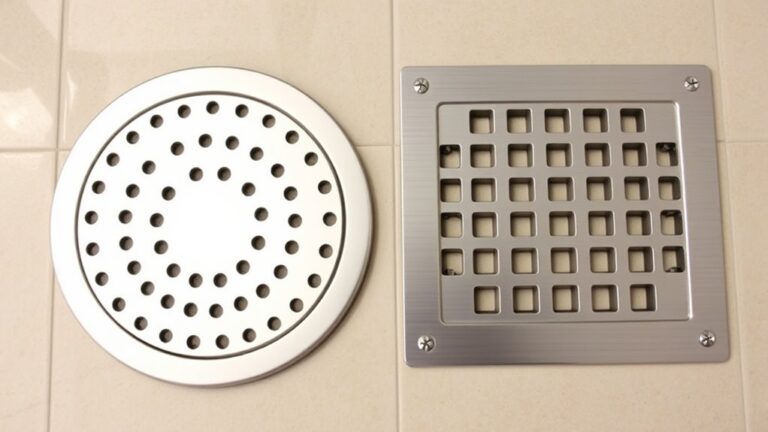
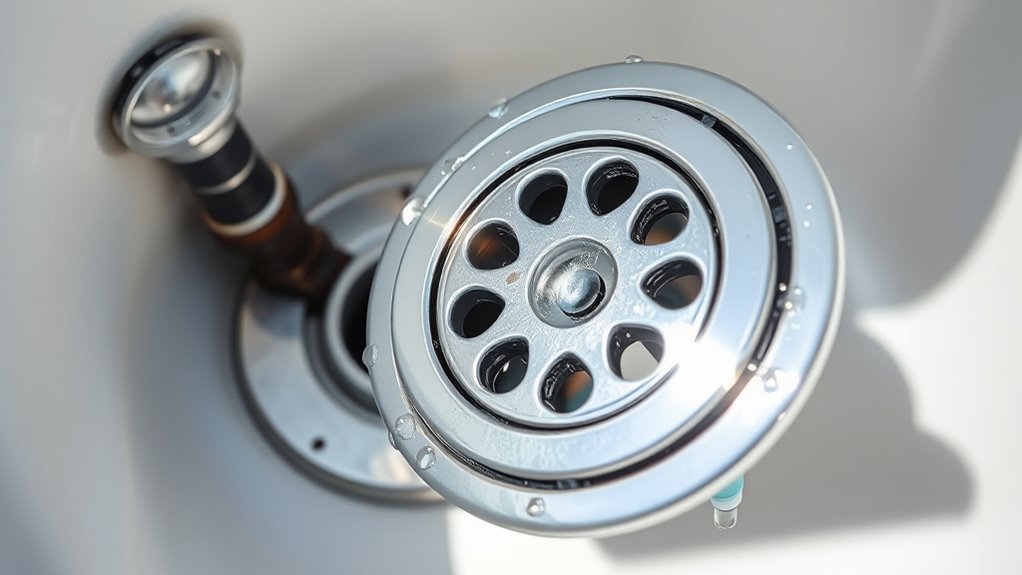
To fix a gurgling bathtub, start by inspecting and clearing the drain cover of any hair or debris using your hands or a screwdriver.
Next, use a plunger or drain snake to dislodge any clogs further down the pipe.
Finally, check the vent pipes for blockages or bird nests and clear them if needed.
If you continue exploring, you’ll find more tips to address common causes and prevent future issues.
Key Takeaways
- Inspect and remove any debris or hair from the drain cover to keep the water flowing smoothly.
- Use a plunger or drain snake to clear out any blockages in the drainpipe.
- Check and clean the air vent or install a vent extension to make sure air can flow properly.
- Pour a mix of hot water, baking soda, and vinegar to naturally break down minor clogs.
- If the problem keeps happening, it’s a good idea to call a professional plumber to take a closer look at your vent or pipes.
What Causes Gurgling in Your Bathtub and When Should You Worry?
Gurgling sounds in your bathtub usually mean there’s a blockage or air trapped in the drainpipes. You might notice this when you’re enjoying your bathroom decor, especially if the water temperature suddenly changes.
When the drain struggles to flow, air gets trapped, causing that familiar gurgling noise. It’s a sign your drainage system isn’t working right, which could be a simple clog or a bigger issue.
If the noise keeps happening or gets worse, you should be concerned because standing water or slow drainage can lead to mold or water damage. Keep an eye on how your tub behaves during use—if it drains slowly or the gurgling keeps up, it’s time to act.
Regularly check your drain and make sure your bathroom has good ventilation to prevent these problems. Ignoring the noise might not cause immediate damage, but persistent gurgling could mean you need to fix the underlying issue before it gets worse.
How Do I Know If My Bathtub Drain Is Clogged or Air-Locked?
If you notice that water in your bathtub is draining slowly or not draining evenly, it might be a sign that something’s blocking the pipe or there’s an air lock. Sometimes, it’s hard to tell just by looking, but these signs can help you figure out what’s going on.
Also, if you hear gurgling sounds coming from the drain, that’s another clue. Those noises usually mean that air isn’t moving through the pipes the way it should, which could be due to an air lock or a clog. Keep an eye out for these signs—they can help you figure out if your drain needs a little extra attention.
Unusual Water Drainage
Ever notice water draining slowly or unevenly in your bathtub? This might mean you have a clog or an air-lock in your drain. To figure out what’s going on, watch how the water behaves when it drains.
If the water is slow and irregular, it could be a partial clog or buildup. Bubbling or gurgling sounds usually point to an air-lock or vent issue.
Other signs include fluctuating water levels, which can mean air is trapped in the drain. Persistent drainage problems usually indicate that your plumbing needs maintenance.
Fixing these issues helps save water and keeps your plumbing working smoothly. Regular maintenance can stop minor problems from turning into bigger ones. Recognizing these signs can help keep your bathtub draining properly and stay functional.
Gurgling Noises Persist
Persistent gurgling noises while your bathtub drains often mean there’s a deeper problem, like a clog or an air-lock in the drain system. If you notice these sounds happening often, check if decorative fixtures around your tub are affecting the airflow or water flow.
Sometimes, these fixtures trap air and cause noises that sound like a clog. Also, consider your water heating system, as poor water pressure or trapped air from recent repairs could be part of the issue.
An air-lock happens when air gets stuck in the pipes, forcing water and air through irregular paths and creating that gurgling sound. Fixing this usually involves venting or breaking the trap.
Figuring out whether it’s a clog or an air-lock will help determine your next steps to fix the problem.
Slow Water Flow
A sudden change in water flow, especially if it’s uneven or sluggish, often points to a clog. On the other hand, if the water drains well at first but then slows as it heats or cools, you might be dealing with an air-lock. Air trapped in the pipes can hinder flow, especially with temperature changes.
Try running water at different temperatures to see if the drainage improves. If it stays slow no matter what, it’s probably a clog. But if the flow fluctuates, it’s likely an air-lock.
How to Check and Diagnose Drain Blockages or Air Traps
First off, take a look at your drain and see if there’s anything obvious blocking it, like debris or a clog. Sometimes, a simple visual check can reveal what’s causing the problem.
Then, check the air trap—if it’s clogged or damaged, you might hear those strange gurgling sounds. Making sure the trap is clear and in good shape can help you figure out if the noise is due to a blockage or a trap issue. Getting both parts checked out is a good step toward fixing the problem.
Inspect Drain for Clogs
Before attempting any repairs, it’s important to check if a clog or air trap is causing the gurgling sound. Start by inspecting your drain for blockages. You might notice slow drainage or water pooling.
Here are four steps to help you diagnose the issue:
- Remove the drain stopper and look for visible debris or hair buildup.
- Use a flashlight to peer down the drain for any obstructions.
- Pour water slowly into the drain to see if it flows smoothly or backs up.
- Try a drain cleaning tool or plunger to loosen potential clogs.
Routine plumbing maintenance can prevent these problems. Clearing out blockages ensures proper drain function and helps avoid future issues. Diagnosing early can save you time and costly repairs.
Check Air Trap Function
If your bathtub is making gurgling noises despite a clear drain, the air trap might be faulty or clogged. The air trap works with your ventilation system to regulate airflow, preventing sewer gases and noises.
To check it, remove the drain cover and inspect the trap for any debris or blockages. Make sure there’s proper airflow through the trap—blocking or clogging can cause air to vent improperly, leading to gurgling sounds.
If it looks dirty or clogged, give it a thorough clean. You can also listen for changes in sound when loosening or tightening the drain stopper, which might indicate air trap issues.
A properly functioning air trap maintains the correct airflow, preventing gurgling and keeping your drainage system running smoothly.
How to Remove Clogs and Fix Gurgling Using Simple Tools
When your bathtub starts to gurgle, it’s usually a sign that a clog is blocking the drain and messing with the usual water flow. Fixing this with simple tools can save you money and keep your bathroom looking sleek, all without diving into complicated plumbing talk.
Here’s what you can do:
- Use a plunger — create a tight seal over the drain and pump hard to dislodge the clog.
- Try a drain snake or hand auger — insert it into the drain, twist, and pull out any debris blocking the way.
- Pour hot water mixed with baking soda and vinegar — this natural combo can help break down minor build-up.
- Remove the drain cover — clean out visible hair or debris by hand to keep things flowing smoothly.
These easy steps usually do the trick for common bathroom clogs and help restore proper drainage without calling in a pro.
How to Clear Air Traps and Improve Ventilation in Your Plumbing System
If you’re hearing gurgling sounds in your pipes, it might be caused by air traps that are blocked or not functioning properly. These air traps can trap air and disrupt the flow, leading to those annoying noises.
To fix this, you’ll want to identify where these air traps are and clear out any blockages. Making sure your plumbing system is properly ventilated is also key—it helps air flow freely and keeps everything running smoothly. When you take these steps, you’ll notice your plumbing works more quietly and efficiently, with fewer problems down the line.
Identifying Air Traps
Air traps are common culprits behind gurgling sounds in your bathtub, and identifying them is key to fixing the problem. They often form when air pockets get trapped in the plumbing, messing up proper ventilation.
To pinpoint these traps, first listen for persistent gurgling after draining your tub. You might also notice hissing or bubbling sounds in the drain. Sometimes, water drains slowly, which could mean air pockets are interfering.
Finally, check the vent pipe for blockages or improper connections to see if they’re causing the issue. Identifying these air traps makes fixing drainage problems much easier.
Clearing Blockages Effectively
Clearing air traps and improving ventilation starts with inspecting the drain and vent pipes for blockages. Begin by checking accessible vents for debris or bird nests that might block airflow.
Use eco-friendly solutions like natural drain cleaners—baking soda and vinegar—to clear minor clogs without harsh chemicals. When clearing blockages, keep aesthetic considerations in mind; opt for discreet tools and concealment methods that blend with your decor.
You can also consider installing vent covers or filters that prevent debris entry while maintaining your bathroom’s appearance. If you find a stubborn blockage, avoid forceful chemical treatments that could harm your pipes or environment.
Regular maintenance with eco-conscious methods guarantees ideal airflow, reduces gurgling, and keeps your plumbing system functioning smoothly while preserving your bathroom’s look.
Enhancing Ventilation Systems
After clearing blockages from your drain and vent pipes, focusing on improving your plumbing system’s ventilation can help prevent future gurgling sounds and make everything work better. Proper ventilation allows air to flow freely, which reduces air traps that cause gurgling when water drains.
To get the best results, start by checking decorative fixtures for leaks or blockages that might be blocking airflow. Next, make sure your water temperature is set correctly to prevent pipes from overflowing or creating pressure issues.
If your vent pipes are blocked or too short, consider installing vent extensions. It’s also a good idea to regularly inspect and clean the vent openings on your roof or exterior walls to stop debris buildup.
These simple steps help keep water flowing smoothly, reduce air traps, and make your plumbing system quieter and more efficient. Proper ventilation really is key to preventing future gurgling problems.
Tips to Prevent Future Gurgling and Keep Your Drain Clear
To prevent your bathtub from gurgling in the future, regular drain maintenance is key. Start by monitoring your water pressure since high pressure can strain your pipes and cause drainage problems.
Installing a pressure regulator can help keep the flow steady and reduce stress on your plumbing system. Next, consider your pipe materials. Older pipes like cast iron or clay are more likely to get clogged or damaged, which can lead to gurgling noises.
Upgrading to modern materials such as PVC or ABS can improve drainage and make your pipes more durable. Make sure to remove hair, soap scum, and debris from your drain regularly to prevent clogs before they form.
Using a drain cover is also helpful because it catches larger particles that could cause blockages. Additionally, scheduling routine drain inspections and cleanings can spot potential issues early on and save you from costly repairs later.
Proper maintenance of water pressure and pipe choice will keep your drain clear and gurgle-free.
Common Mistakes That Make Gurgling Drains Worse (And How to Avoid Them)
Ignoring signs of a gurgling drain or trying quick fixes without understanding the root cause can make the problem worse over time. Instead, avoid these common mistakes:
- Using harsh chemical drain cleaners regularly can damage your pipes and hide underlying issues.
- Rushing into bathroom cleaning or plunger use without inspecting your plumbing tools or figuring out where the clog is.
- Trying to remove clogs with household items like wires or coat hangers risks damaging your pipes.
- Ignoring small signs of drainage problems can lead to bigger venting or pipe issues if you leave them unchecked.
When Is It Time to Call a Professional Plumber for Gurgling Drains?
Sometimes, gurgling drains signal a problem that’s beyond simple DIY fixes. If your bathtub’s gurgling keeps happening despite your efforts, it’s time to call a professional plumber.
Persistent gurgling drains may indicate serious issues—consult a professional plumber to prevent costly repairs.
This is especially true if the sounds continue after trying basic solutions or if other drains, like your kitchen or bathroom sink, are also affected. Gurgling can mean sewer line issues or a blocked vent pipe that could get worse if ignored.
If you’re planning garden landscaping or kitchen remodeling and run into drainage problems, it’s wise to involve a professional early. Doing so can prevent costly damage later on.
If your drain issues stick around or involve multiple fixtures, a plumber can help figure out whether there’s a main sewer line blockage or ventilation problems. Catching these early can save you time and money in the long run.
Tools and Supplies You Need for DIY Drain Repairs
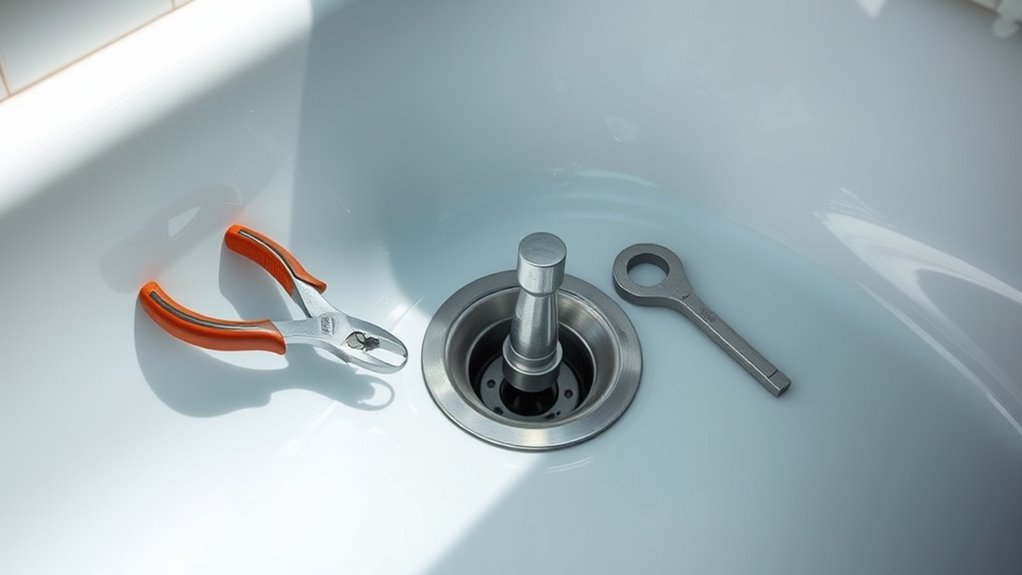
Before diving into DIY drain repairs, gathering the right tools and supplies is essential to guarantee the job gets done safely and effectively. Having the right equipment helps you stick to your DIY tips and apply basic plumbing skills efficiently. Here’s what you’ll need:
- Drain snake or auger – For dislodging stubborn clogs deep in the pipe.
- Bucket and gloves – To protect your hands and catch water when opening the drain.
- Plunger – An essential tool for clearing minor blockages and gurgling sounds.
- Adjustable wrench – To loosen or tighten fittings without damaging pipes.
These supplies form the foundation of successful DIY tips and plumbing basics. Making sure you have everything on hand will help you fix your gurgling bathtub with confidence and precision, avoiding unnecessary trips to the store.
How to Test Your Drain After Fixing the Gurgling Issue
Once you’ve finished the repair, it’s important to test your drain to check if the gurgling sound is gone and water flows okay. Start by running water at different temperatures—cold, warm, and hot—to see if the drain handles each without noise or backups.
Check the type of drain material you used, like PVC or metal, since it can affect water movement. Make sure everything’s securely connected. Watch the water flow; it should drain smoothly without lingering or air bubbles.
Listen carefully for any gurgling sounds. If they still happen, go back and review your repair steps. Also, look for leaks or slow drainage around the drain, which might mean the repair isn’t complete.
Finally, confirm that your drain operates quietly and efficiently at all temperatures. This helps ensure your fix was successful and reduces the chances of future problems.
Frequently Asked Questions
Can Gurgling Indicate a Sewer Line Problem?
Yes, a gurgling bathtub can indicate a sewer line problem. It might signal issues with your septic system or pipe corrosion, which can cause air and water to struggle to flow properly.
When you hear gurgling, it’s essential to check for blockages or leaks. Ignoring these signs could lead to more significant problems, so addressing them early helps prevent costly repairs and keeps your sewer system working properly.
How Long Does It Take for a DIY Fix to Work?
You might hold your breath, waiting to see if your DIY fix works quickly. Usually, if you’ve used the recommended tools and proper DIY techniques, you’ll notice a difference within a few hours—sometimes immediately.
But be patient; it can take up to 24 hours for the full effect. Keep an eye on your drain and listen for signs that the gurgling has stopped, giving you relief and reassurance.
Are Chemical Drain Cleaners Safe for Tub Plumbing?
Chemical drain cleaners are generally not safe for your tub plumbing, even if they claim to work. They contain harsh chemicals that can damage your plumbing over time. This can lead to deterioration and possible leaks.
If you’re looking for a safer chemical option, try products specifically designed for use in plumbing systems. Always read labels carefully to make sure they’re safe.
Consider using alternative methods like mechanical snaking or enzyme-based cleaners. These options help protect your plumbing and are usually gentler in the long run.
Can Gurgling Be Caused by a Blocked Vent Pipe?
Gurgling in your bathtub can definitely be caused by a blocked vent pipe. When the vent pipe is clogged, it stops air from flowing freely, which can mess up the pressure inside your drain system.
This creates a vacuum effect, leading to those strange gurgling sounds you hear. When debris or buildup obstructs the vent pipe, your drainage system struggles to breathe properly.
To fix this, you’ll want to check the vent pipe for any obstructions and clear them out. Doing so will restore normal airflow, stop the gurgling, and help your drains work smoothly again.
How Often Should I Inspect My Drain and Vent System?
You should inspect your drain and vent system at least once a year to catch issues early.
Regular pipe inspections help spot blockages or leaks before they become big problems.
Checking your vent system ensures proper airflow and prevents slow drains.
Keep an eye out for slow drainage, gurgling sounds, or unpleasant odors—that’s a sign it’s time for a thorough check.
Routine maintenance can prevent major issues and keep your plumbing running smoothly.
Conclusion
Fixing a gurgling bathtub is like tuning a musical instrument—you need to identify the right note, clear the trapped air or clogs, and guarantee everything’s in harmony. With the right tools and a simple plan, you can silence those unwanted noises from your drain.
Don’t let small problems turn into a chaos-filled symphony. Take charge, follow these easy steps, and bring back the smooth, steady flow you deserve. Your plumbing’s song will be perfectly played again, and the gurgling bathtub will be just a distant memory.