Top 5 Bathtub Types That Last the Longest for Durability
Many people struggle with finding a bathtub that not only meets their style but also stands the test of time. Durability is a top concern when investing in a bathroom fixture that needs to last for years without frequent repairs or replacements. You’re not alone—choosing a long-lasting tub is crucial for peace of mind and long-term value.
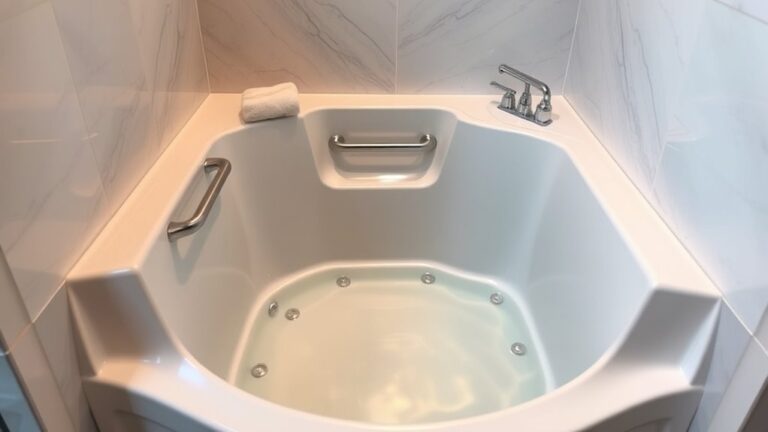
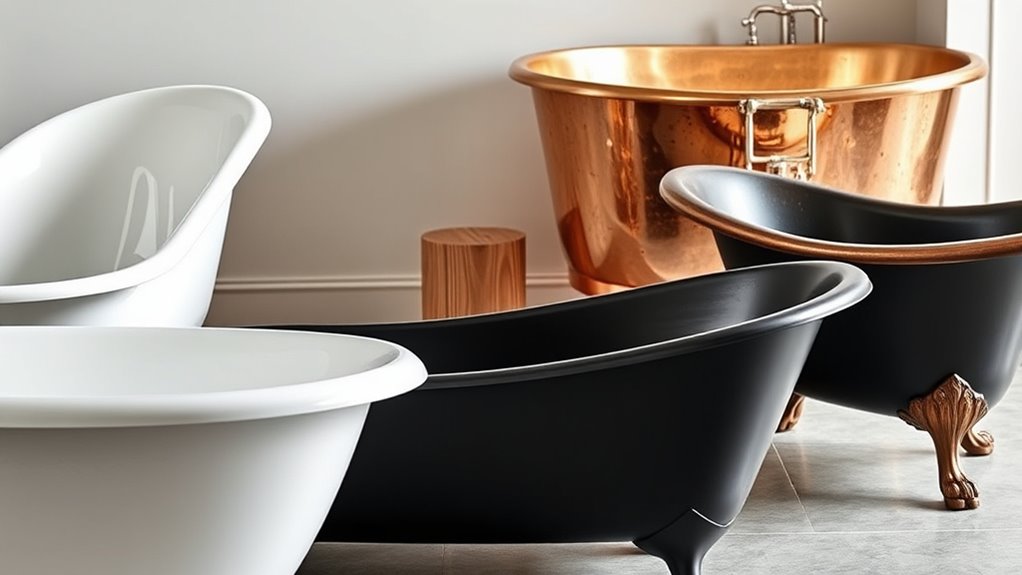
If you’re looking for the most durable bathtub options, you should consider cast iron, which is extremely strong and resistant to damage. Acrylic tubs are lightweight and tough, offering great long-term resilience with flexible designs. Solid surface materials like cultured marble blend toughness with seamless beauty.
Enameled steel or steel tubs provide lasting appeal, while fiberglass or acrylic options are affordable yet resistant to chipping and staining.
Keep going to uncover how installation and maintenance can help these tubs last even longer.
Key Takeaways
- Cast iron bathtubs are among the most durable. They’re resistant to chipping, cracking, and moisture damage.
- Enamel-coated steel tubs combine strength with a long-lasting finish and resistance to staining.
- Solid surface materials like cultured marble offer seamless durability and excellent impact resistance.
- Acrylic tubs are lightweight yet sturdy. They resist chipping and cracking and are easy to maintain over time.
- Proper installation and regular maintenance can greatly extend the lifespan of all these durable bathtub types.
Which Materials Are the Most Durable for Bathtubs?
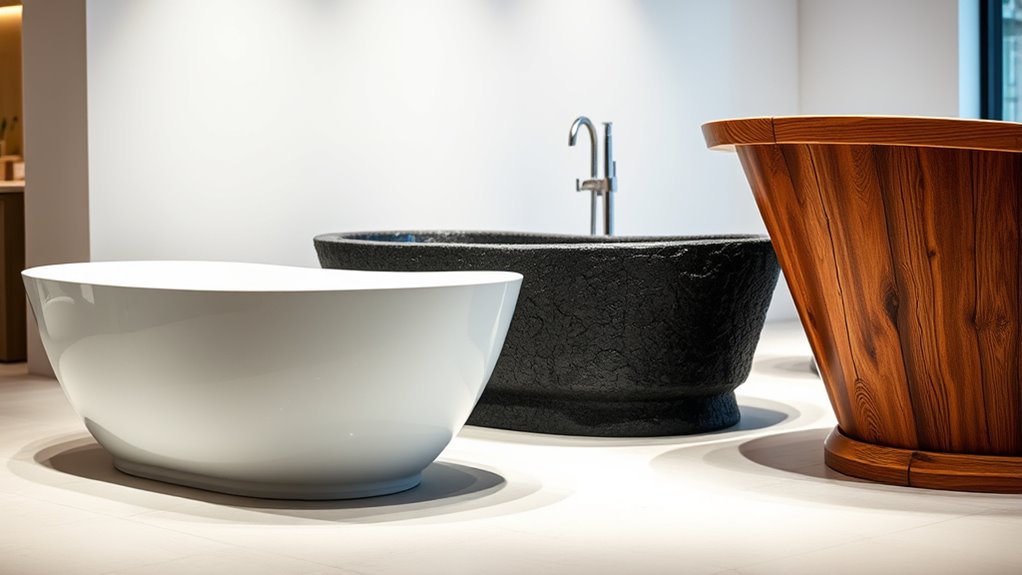
When choosing a durable bathtub, understanding the materials that stand the test of time is key. Some materials excel in both looks and water resistance, making them a smart choice.
Cast iron bathtubs are well-known for their strength and long-lasting quality. They have a classic look that stays attractive over decades. Plus, they resist leaks and damage from moisture quite well.
Acrylic tubs are lightweight but sturdy. They offer flexible design options and have a smooth surface that resists chipping and staining. Their high water resistance makes them easy to clean and keep looking fresh.
Solid surface materials, like cultured marble, blend durability with seamless beauty. They often mimic natural stone and resist water damage, holding up well to daily use.
In the end, choosing a material that’s highly water-resistant and looks great ensures your bathtub will stay functional and beautiful for years to come.
How Does Installation Affect Bathtub Longevity?
Proper installation plays a significant role in how long your bathtub will last. When installation isn’t handled correctly, issues like leaks, uneven surfaces, or improper sealing can develop quickly, reducing your tub’s lifespan.
The installation challenges include ensuring the base is level and secure, giving your bathtub a stable foundation. Poor fitment or inadequate support can cause stress fractures over time.
Misaligned plumbing hookups or improper caulking can lead to water seepage, damaging surrounding areas and speeding up wear. Hiring a qualified professional can help prevent these common problems and ensure a tight, thorough installation.
Taking shortcuts during installation might save you money upfront but can lead to costly repairs later. Properly installed bathtubs not only work better but also last longer, giving you a durable, hassle-free fixture for years to come.
Maintenance Tips to Make Your Bathtub Last Longer
Regular maintenance is key to keeping your bathtub in good shape over time. Setting up a consistent cleaning routine helps prevent soap scum, grime, and mineral buildup that can damage surfaces.
Use gentle, non-abrasive cleaners suited for your tub material to avoid scratching or harming it. Also, check the caulking around the edges regularly for cracks or mold.
If you find any damage, reseal immediately to prevent leaks and mold growth. Keep the sealant dry and clean, and replace the caulk when needed to keep everything watertight.
Avoid harsh chemicals that could erode finishes or sealant. After each use, wipe down your tub to reduce water spots and soap scum buildup.
Staying on top of these simple tasks not only makes your bathtub last longer but also keeps it looking fresh and clean. It’ll save you money in repairs or replacements down the road.
Choosing the Best Durable Bathtub for Your Budget and Lifestyle
Choosing the right durable bathtub depends on balancing your budget with your lifestyle needs. Start by considering the bathtub design that best fits your space and aesthetic preferences, making sure it complements your bathroom decor.
Select a bathtub that balances your budget, space, and aesthetic for long-lasting style and function.
If you want a minimalist look, a sleek acrylic or fiberglass tub might work best. They’re affordable and easy to maintain. For long-term durability, cast iron or enameled steel tubs provide strength and lasting beauty, though they tend to be heavier and more expensive.
Water efficiency is also important—look for tubs with standard or low-flow fixtures to save resources and reduce costs. Your daily routine matters too; if you enjoy soaking, choose a deeper, freestanding model.
For families or shared bathrooms, practicality often takes priority over luxury. Ultimately, balancing your budget, style, water-saving goals, and lifestyle needs will help you pick a bathtub that lasts and suits your space without sacrificing function or looks.
What Are the Key Factors to Ensure Your Bathtub Remains Long-Lasting?
Selecting a durable bathtub is just the first step; maintaining its condition over time is what guarantees its longevity. To do this, pay attention to cleaning routines using gentle products suited for your bathtub’s material.
Regular maintenance prevents buildup that can cause deterioration. Keep an eye on aesthetic changes, as daily use can cause surface wear or discoloration.
Promptly address any chips or cracks to avoid further damage. When choosing your bathtub, consider available color options—some may fade or stain over time.
Picking finishes resistant to staining will last longer. Protect your bathtub from harsh chemicals and avoid abrasive scrubbers that can scratch surfaces.
Proper ventilation in your bathroom minimizes moisture buildup, helping prevent mold or mildew. Having a consistent, material-specific care routine will keep your bathtub looking good and lasting longer.
Frequently Asked Questions
How Do Climate Conditions Influence Bathtub Durability?
Climate conditions significantly impact your bathtub’s durability through adaptation and material strength. In humid areas, choose materials like acrylic or fiberglass that resist mold and mildew.
For cold regions, go for sturdy, insulated materials to prevent cracking. Protect your bathtub from extreme weather by maintaining proper ventilation and insulation.
This helps it withstand temperature changes, moisture, and UV exposure. As a result, you’ll extend its lifespan and keep it looking great for years to come.
Can Frequent Use Impact a Bathtub’s Lifespan?
Did you know that the average person takes 15 baths a year? Frequent use can definitely impact your bathtub’s lifespan, especially if you don’t keep up with proper maintenance.
Different materials like acrylic or cast iron react differently. Acrylic might scratch or stain over time, while cast iron can rust if it gets chipped.
To keep yours in good shape, follow basic maintenance tips like regular cleaning and avoiding abrasive cleaners. This will help prolong its durability, no matter how often you use it.
Are There Specific Brands Known for Durable Bathtubs?
Some brands are known for durable bathtubs, like Kohler, American Standard, and Duravit. They focus on quality materials and solid construction, which helps your tub last longer with proper care.
How Does Weight Capacity Affect Bathtub Longevity?
You might worry that higher weight capacity could compromise durability, but it actually depends on material choice and manufacturing quality. When you pick a bathtub designed for greater weight capacity, make sure it uses strong materials like acrylic or reinforced cast iron.
Proper manufacturing practices make sure the structure can handle extra weight without cracking or warping. This helps your bathtub last longer. So, always focus on quality and specs over just capacity numbers to ensure your tub stays durable.
What Accessories or Fixtures Can Extend a Bathtub’s Lifespan?
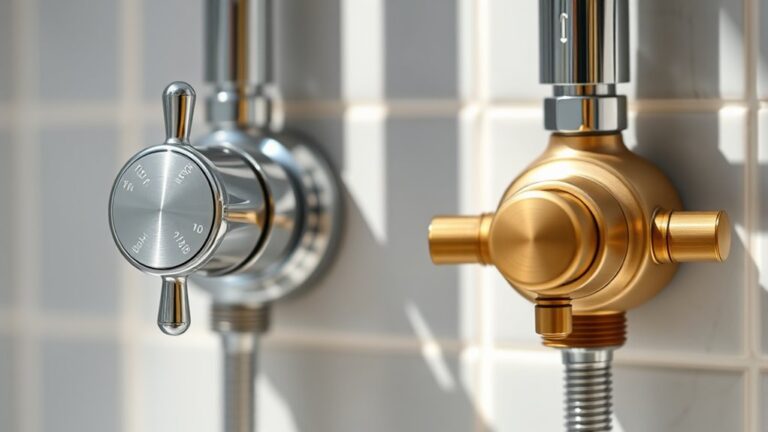
You can extend your bathtub’s lifespan by regularly cleaning it with gentle, non-abrasive tools to prevent buildup. Using fixtures with rust-resistant finishes helps resist corrosion, especially if you have hard water.
Installing a water softener reduces mineral deposits caused by hard water, which can corrode fixtures and the tub surface. Additionally, adding a bath mat protects the surface from scratches and chips, helping it last longer.
Conclusion
Choosing a durable bathtub is like picking a trusted friend. You want one that’ll stick with you through thick and thin.
By understanding the best materials, proper installation, and routine maintenance, you’re building a resilient sanctuary that lasts.
Think of your bathtub as your go-to spot for relaxation, weathering life’s storms with grace.
Invest wisely in a top durable bathtub, care for it regularly, and you’ll enjoy many peaceful baths.
With the right choice in durable bathtub types, your oasis will stand the test of time.