How Do You Call and Identify Your Bathtub Stopper
Are you tired of struggling to find the right bathtub stopper when it’s time to fix or replace it? You’re not alone—many people find it confusing to identify the right type or style, especially since there are so many options out there.
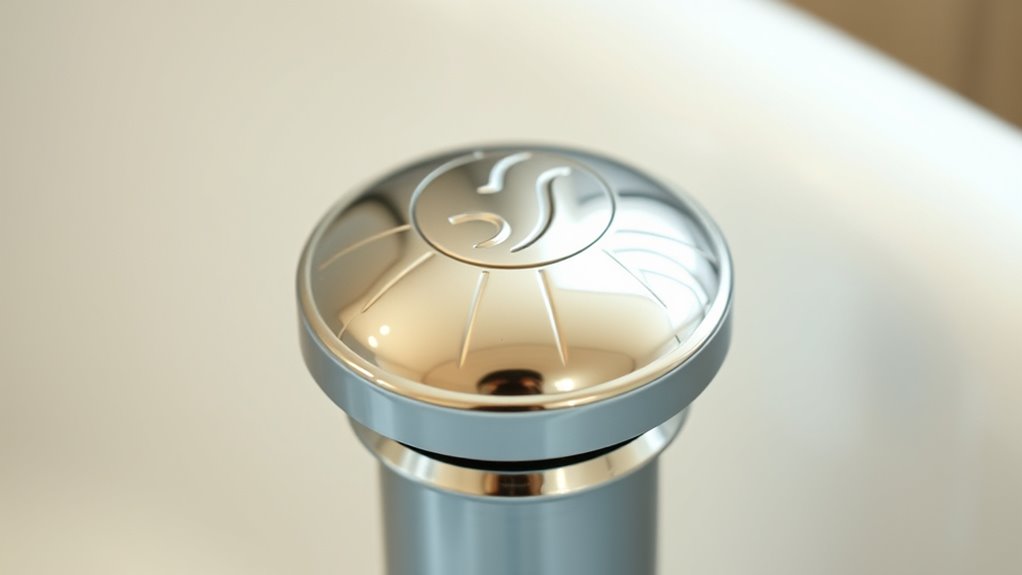
To identify your bathtub stopper, start by examining its shape, mechanism, and materials. Look for common styles like pop-up, lift-and-turn, push-and-pull, or trip lever.
Check how it operates—twisting, pushing, or lifting—and note its construction, such as rubber, metal, or plastic.
Pay attention to size, seals, and connection points to help you find the right match. By exploring these features, you’ll learn how to properly identify and replace your stopper with confidence.
Key Takeaways
- Look at the shape, mechanism, and how it operates—whether you push, lift, turn, or use a trip lever—to figure out what type it is.
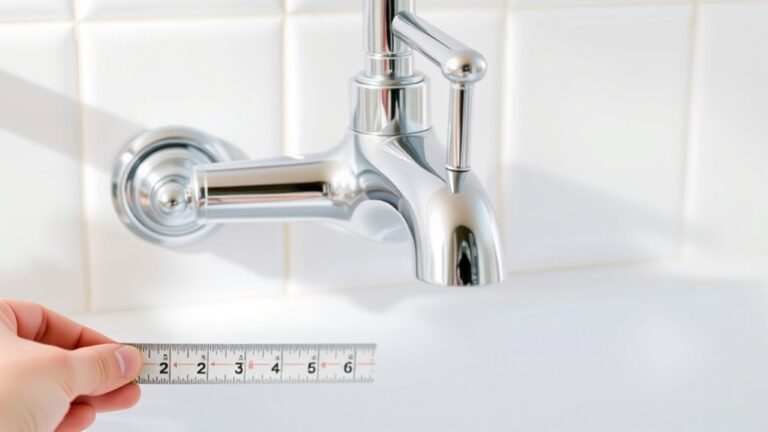
- Measure the diameter and height so you know it’ll fit properly and work with your drain.
- Check the material and finish to match your bathroom decor and ensure durability.
- Look for connected parts like rods, chains, or push-buttons that can help you identify the specific style.
- Common names like pop-up, lift-and-turn, push-and-pull, or trip lever can help you label your stopper accurately.
Recognizing Different Types of Bathtub Stoppers
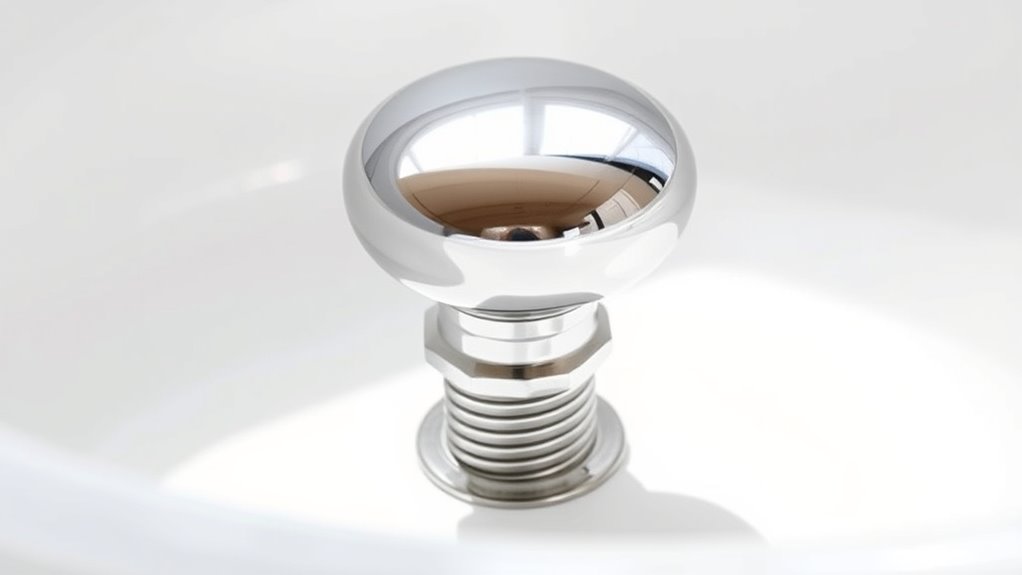
Understanding the different types of bathtub stoppers is key to identifying and replacing yours correctly. Over time, their designs have evolved, adapting to various needs.
Material choices play a big role in how durable and effective a stopper is. Early models used simple materials like wood or metal, but modern stoppers often feature rubber, plastic, or silicone for better sealing.
Modern stoppers use rubber, plastic, or silicone for better durability and sealing.
Some designs, like push-and-pull or lift-and-turn, came from practical innovations to improve user convenience. Others, like plug or slide stoppers, aim to enhance water retention and ease of use.
Knowing these differences helps you understand how they work and what parts you’ll need if you want to replace them. Whether you have an old-style plug or a modern pop-up, understanding their background and materials will guide you.
This knowledge ensures you pick the right replacement, keeping your bathtub functional and leak-free.
Common Names and Styles of Bathtub Stopper Types
There are several common names and styles of bathtub stoppers you’ll encounter, each with its own unique design and function. Historically, designs like the traditional plug-and-chain have been used for centuries, reflecting early plumbing innovations.
In different cultures, you might find styles such as push-and-pull stoppers common in European homes, while American bathrooms often feature lift-and-turn or trip lever stoppers. These cultural variations influence how the stopper looks and works, with some designed for easy use or visual appeal.
Modern styles include pop-up stoppers, which operate via a lever or knob, and clicker types, which automatically seal when pressed. Understanding these names and styles can help you identify your bathtub stopper more easily.
Recognizing the historical and cultural influences behind these designs can also give you insight into their origins and how best to maintain or replace them.
How Do Bathtub Stopper Mechanisms Work?
Want to get a better grip on how your bathtub stopper actually works? Knowing the ins and outs can make troubleshooting a lot easier when things go wrong. There are different types of stoppers, and each one uses a different way to keep the water in. Over time, they can wear out or get clogged, which messes with the seal. So, understanding how these mechanisms function can really help you spot issues early and keep your tub draining and filling just right.
Types of Stopper Mechanisms
Have you ever wondered how different bathtub stoppers keep water in or drain it out? Understanding the various types helps you troubleshoot or upgrade.
Here are four common stopper mechanisms:
- Lift-and-Turn: Just rotate the stopper to open or close it. This style was popular in older plumbing because it’s simple to maintain.
- Push-and-Pull: Push down to seal, pull up to drain. You’ll find this one in older or eco-friendly fixtures.
- Toe-Touch: Press with your toe to activate a pop-up that seals or drains. It’s modern and really convenient.
- Trip Lever: A lever on the overflow plate lifts a linkage to open or close the drain. This setup is often paired with fixtures meant to save water.
These different mechanisms show how plumbing has evolved, with some designed to be more efficient and environmentally friendly.
How They Seal Water
Bathtub stoppers work by creating a watertight seal that holds water in the tub or allows it to drain smoothly. How well the seal works depends on the bathtub material and the design of the stopper.
Some stoppers use rubber or silicone washers that conform to the drain opening, ensuring a tight fit. Others use a mechanical seal, like a plunger or flip mechanism, to block water flow.
When you engage the stopper, it compresses the sealing surface, preventing water from escaping. To drain, just disengage the stopper and water can flow freely.
The durability and quality of the seal are really important for keeping a good water barrier and controlling water flow without leaks.
Common Wear and Tear
Over time, the moving parts of your bathtub stopper can wear out or get damaged, making it harder to form a proper seal or let water drain. This is a common issue with regular bathtub maintenance and can shorten the stopper’s lifespan. Worn parts might cause leaks or make the stopper stay in place less effectively.
Check for these common problems:
- Rust and corrosion can weaken metal parts.
- The rubber or silicone seal might become brittle or crack.
- The linkage can loosen, causing the system to not work smoothly.
- Mineral deposits may build up and block movement or sealing.
Spotting these signs early helps you replace or fix the stopper before bigger problems develop. Proper maintenance can extend its life and keep your bathtub working as it should.
Features to Help You Identify Your Bathtub Stopper
Identifying your bathtub stopper becomes easier once you understand its key features. Look for the shape and mechanism—whether it’s a push-pull, lift-and-turn, or toe-tap style—as these details help narrow down your options.
Pay attention to how it operates; some stoppers are mechanical, while others are rubber or silicone plugs that simply seal the drain. Recognizing the type is important for bathing safety, so you can quickly remove or secure the stopper when needed.
Another feature to note is the connection point. Most are linked to rods, lift chains, or push-buttons, which help with identification during drain maintenance. By focusing on these features, you make it easier to call or identify your stopper if it clogs or needs repair.
Understanding your bathtub stopper’s design helps maintain a safe bathing environment and keeps your drain functioning smoothly.
Tools You Need to Examine Your Bathtub Stopper
Before you start examining your stopper, gather a few essential tools to make the process easier and more efficient. Having the right tools helps you avoid damage and guarantees safety during inspection.
First, grab a flashlight to clearly see inside the drain and spot any issues. Second, use needle-nose pliers or a small wrench to grip and remove the stopper if needed.
Third, have a screwdriver handy for loosening screws or adjusting parts. Fourth, keep a container or cloth nearby to catch small parts or prevent loss.
When handling the stopper, follow safety precautions like wearing gloves to protect your hands. These tools also help with cleaning, making it easier to remove debris or buildup.
Once you’re prepared, examine the stopper closely to identify any damage or wear that may need repair or replacement. Stay organized to streamline your inspection and stay safe throughout the process.
Troubleshooting Tips for Identifying Your Stopper
Want to figure out what kind of bathtub stopper you have? It’s pretty straightforward once you know the types. There are lift-and-turn, push-and-pull, and toe-touch stoppers, each with its own way of working.
Once you’ve identified the type, you can start troubleshooting. Just give it a good look for any visible damage or buildup. Also, try moving it gently to see if it’s stuck or feels loose. These simple steps can help you figure out what’s wrong and what might need fixing.
Types of Bathtub Stoppers
Bathtub stoppers come in several common types, each with different mechanisms you can often recognize with a quick look. Knowing these helps you identify your stopper’s style and history, whether from old designs or more eco-friendly options.
- Lift-and-Tull This type is operated by lifting a small lever. You’ll often find it in older tubs with classic brass finishes, giving a vintage feel.
- Pull Chain A chain pulls the stopper down or up, which is typical of vintage designs. These often reflect eco-friendly craftsmanship and a touch of retro style.
- Push-and-Pull Button It’s just a simple button push. This modern style replaces older mechanical types and uses eco-efficient materials.
- Flip-Top Has a flip lid mechanism, usually with environmentally friendly components. It combines modern looks with a nod to historical design influences.
Recognizing these types makes troubleshooting easier and helps you consider their environmental impact and how bathtub stopper designs have evolved over time.
Common Troubleshooting Steps
When troubleshooting your bathtub stopper, start by observing how it works and looks. See if it seals correctly or if water is draining slowly. Sometimes, debris or buildup blocks the drain, especially if you haven’t maintained it regularly.
Remove the stopper and check for hair, soap scum, or mineral deposits that could be causing the issue. If the stopper is loose or won’t stay in place, try tightening or replacing it.
If your stopper doesn’t seal properly, try realigning or cleaning its components. Regular cleaning helps keep water draining smoothly and prevents clogs. Knowing the type of stopper you have makes troubleshooting easier, saving you time and effort.
Visual Cues to Confirm Your Bathtub Stopper Type
Examining the stopper and its surrounding area can often reveal important clues about its type. Look closely at how the stopper interacts with the bathtub material and how water is sealed—that can be very telling.
Inspect the stopper and nearby area to identify its type and sealing method through visual clues.
Here are four visual cues to help identify your stopper:
- Shape and Size: A flat, wide stopper usually fits in a simple depression, while a dome-shaped one sits more prominently.
- Mechanical Components: Visible levers or knobs suggest a lift-and-turn or push-and-pull type.
- Sealing Surface: Check if the stopper creates a tight seal on the bathtub’s surface or if gaps are visible, which indicates different water sealing techniques.
- Material and Finish: Rubber stoppers often appear soft and flexible, whereas metal or plastic ones are harder and more durable. These clues can help you figure out the stopper’s materials and design.
Finding the Right Replacement for Your Bathtub Stopper
Looking for the perfect replacement for your bathtub stopper? The first step is figuring out what type you have, so you can find the right match. It’s also important to measure carefully — this way, you’ll avoid any pesky installation problems.
Knowing the different styles of stoppers can really help you pick one that fits just right. And don’t forget to consider whether the new stopper is compatible with your drain. If everything lines up, your new stopper will work smoothly and last for a long time.
Types of Bathtub Stoppers
Choosing the right bathtub stopper depends on understanding the different types available. Knowing your stopper type helps make drain cleaning easier and prevents issues like clogs or water leaks. Here are four common types:
Lift-and-Turn: Easy to operate, twists to open or close. It’s great for regular use.
Push-and-Pull: Simple—just push or pull to control. Fits most standard tubs.
Toe-Tap: Activated with your toe, making it ideal if you prefer hands-free operation.
Flip-Top: Opens by flipping and is often used with drain plugs for bathtub soap and accessories.
Your choice affects how you maintain your drain and how effectively it drains, especially when cleaning or replacing the drain stopper to guarantee proper drainage.
Measuring for Replacement
Before you buy a replacement bathtub stopper, you need to measure the existing one carefully to guarantee a proper fit. Start by measuring the diameter of the drain opening with a ruler or tape measure. Most stoppers fit into standard sizes, but double-check to avoid issues.
Take note of the height or depth of the stopper, especially if it’s a lift-and-turn or push-pull style. This matters because it affects how well it fits within your bathtub design. Consider the shape and style of your current stopper to ensure it matches aesthetically.
Precise measurements are key for plumbing maintenance. They help prevent leaks or drips and ensure smooth operation. Proper measurement saves you time and effort, helping you pick a replacement that fits perfectly and works reliably with your bathtub’s design.
Compatibility Considerations
Making sure your replacement stopper fits your bathtub properly means paying close attention to the type and design of your current fixture. Compatibility is key for good water drainage and a smooth bathroom renovation.
To find the right fit, keep these factors in mind:
- Stopper Type – Check if yours is a lift-and-turn, push-and-pull, or trip lever style.
- Size and Diameter – Measure the opening carefully to match the stopper’s stem and flange.
- Material Compatibility – Make sure the material matches your bathtub’s finish and won’t corrode over time.
- Mounting System – Find out if your current stopper uses a compression fit, threaded connection, or slip-on system.
Matching these details ensures your stopper works properly, drains well, and makes the replacement process easier, helping you avoid future issues during your bathroom renovation.
Key Factors to Describe and Name Your Bathtub Stopper
To accurately describe and identify your bathtub stopper, focus on several key factors that set one apart from another. First, check out the shape and mechanism—whether it’s push-pull, lift-and-turn, or trip lever style.
Then, look at the material, like rubber, metal, or plastic. This affects durability and how it looks with your bathroom decor. The size and diameter are also important to make sure it fits your drain snugly without leaks.
Next, consider how it works—does it form a tight seal to save water or is it easy to remove for cleaning? Pay attention to the finish or color so it matches your bathroom style too.
Properly identifying your stopper makes maintenance and replacement easier. Plus, it helps ensure the seal is effective, conserving water longer.
FAQs: Identifying and Replacing Your Bathtub Stopper
Having identified your bathtub stopper’s details, figuring out how to replace it becomes a straightforward process. First, determine whether your stopper is a traditional or a more modern design, noting that many old-fashioned tubs feature distinct styles.
Identifying your stopper’s style simplifies the replacement process for a seamless, durable fix.
Next, examine the stopper materials. Eco-friendly options like silicone or biodegradable plastics are becoming popular choices among homeowners.
Here are four steps to help you:
- Inspect the stopper to identify its type—push-pull, lift-and-turn, or toe-touch.
- Measure the diameter of the drain opening to find compatible replacements.
- Determine the material of the current stopper—metal, rubber, or eco-friendly options.
- Check local or online suppliers for parts matching your identified style and materials.
Replacing a bathtub stopper is mostly about matching the style and measurements, especially with those inspired by historical designs or eco-friendly materials. This ensures a long-lasting and sustainable fix.
Frequently Asked Questions
Can I Identify My Bathtub Stopper Without Removing It?
Yes, you can often identify your bathtub stopper without removing it. Start by checking for any manufacturer markings or model numbers on the visible parts of the stopper or drain assembly.
Different designs have unique shapes and features, which can help you figure out what type it is. Comparing these details with online images or catalogs might give you useful clues.
If you’re still unsure, just noting the markings and design features will help a professional or store find the right replacement.
How Do Age and Wear Affect My Stopper’s Identification?
Like an old friend who’s seen better days, your stopper’s age and wear can hide its original ID. Over time, corrosion or buildup might make it harder to recognize.
This can affect both bathtub maintenance and how well the stopper works. You might notice changes in its shape or some damage, but don’t worry—they can often still be identified with a good inspection.
Regular checks help ensure your stopper works smoothly, preventing leaks and keeping drainage proper.
Are There Universal Parts That Can Replace Multiple Stopper Types?
Yes, there are universal replacement options that can fit different stopper types, making repairs easier. These often come with adjustable or flexible parts to match various tub setups.
But don’t forget to consider the stopper material. Rubber or silicone offers durability and a good seal, while plastic or metal might work better for certain needs.
Always check measurements and compatibility first. Make sure the universal part will work well with your existing stopper before buying.
What Should I Do if My Stopper Doesn’T Match Common Styles?
Ever wondered what to do if your stopper doesn’t match common styles? First, identify how it’s installed and what decorative style it has. You might need to measure the stem or opening size and look for any unique features.
Don’t hesitate to visit a hardware store or talk to a professional for custom solutions. Often, you can adapt your existing stopper or find parts that match, making sure it fits well regardless of style differences.
How Important Is the Material of the Stopper for Identification?
The material of the stopper is pretty important for identification because it influences how you find replacements and maintain it. Different materials like rubber, metal, or plastic each have their own features and compatibility factors.
Knowing what the stopper is made of helps you pick the right style and ensures it fits properly. So, when you’re trying to identify your stopper, paying attention to its material makes the process easier.
It also helps you get the correct replacement or repair without any hassle. Being aware of the material helps you make smarter choices and keeps everything working smoothly.
Conclusion
Understanding and identifying your bathtub stopper might feel like uncovering a hidden secret. But with a little patience and attention to detail, you’ll soon be able to speak its language confidently.
Think of it as opening a piece of your bathroom’s story, hidden behind simple fixtures. When you know what to look for, replacing or fixing your stopper becomes a much easier task.
After all, each little discovery brings you closer to a more functional and inviting space. Knowing your bathtub stopper is key to keeping things flowing smoothly.