How to Determine if Car Water Pumps Are Expensive to Replace
Are you worried about the unexpected costs of fixing your car’s water pump? Many drivers struggle with figuring out whether replacing it will be expensive or affordable.
To tell if replacing your car’s water pump is expensive, consider the vehicle make, model, and age, as these affect labor and parts costs. Watch for signs like engine overheating, coolant leaks, or noise, which indicate the pump needs replacing.
Also, high regional labor rates or choosing a premium part can raise expenses. If you keep these factors in mind, you’ll better understand repair costs—and there’s more to uncover if you investigate further.
Key Takeaways
- Check the typical replacement cost, usually between $300 and $750, and compare it with your repair quote.
- Think about your vehicle’s make, model, and age — these can make labor more complicated and parts more expensive.
- Look for signs like coolant leaks, overheating, or unusual noise from the pump, which could mean extra costs.
- See if you need higher-quality parts or specialized tools, as that can raise the overall price.
- Finally, check local labor rates and shop reputations to see if your repair costs seem higher than usual.
How Much Does a Water Pump Replacement Cost for Your Car?
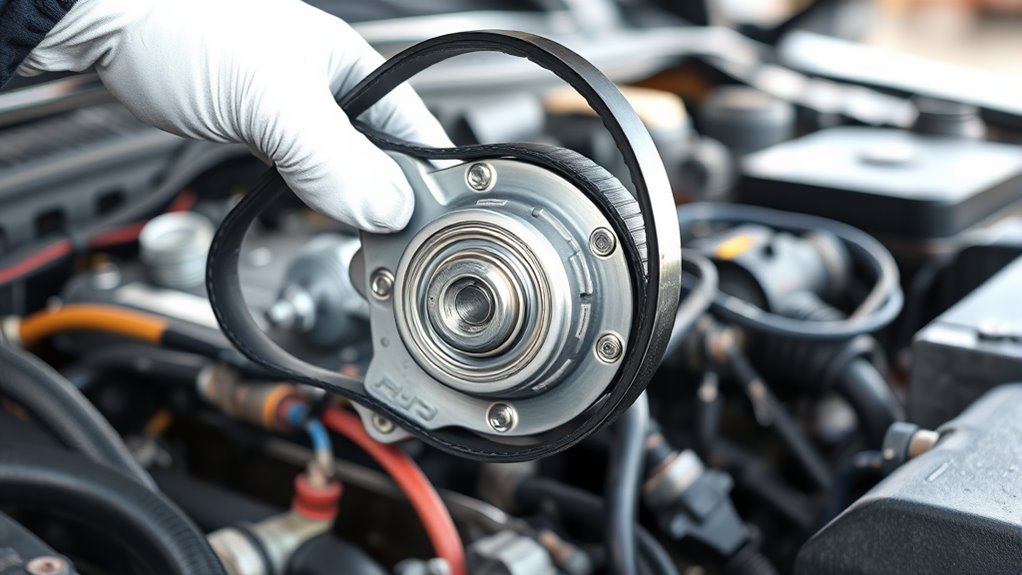
If your car’s water pump needs replacing, you’ll want to know how much it’ll cost before you start the repair. The typical price range for a water pump replacement usually falls between $300 and $750, including parts and labor.
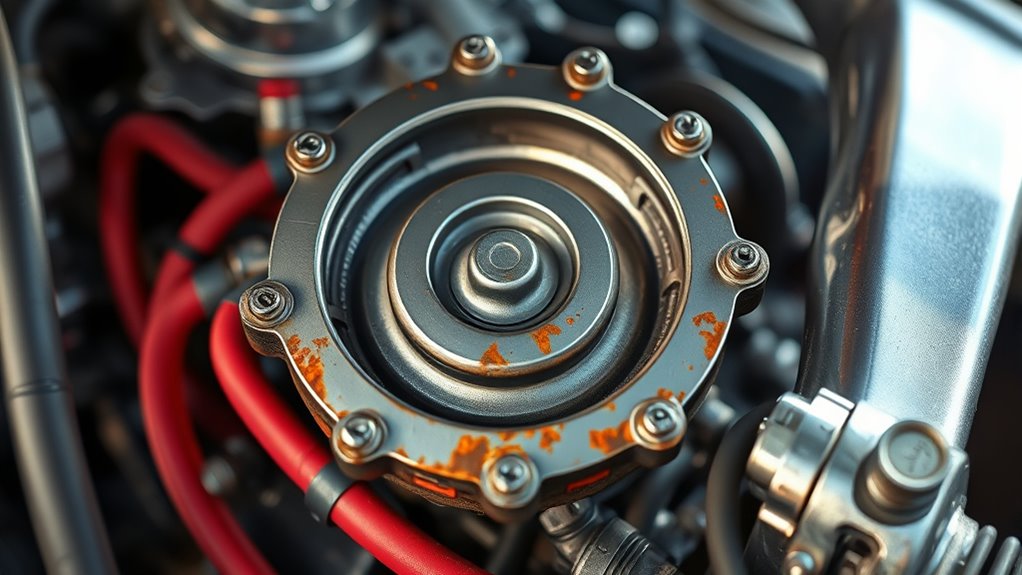
If your engine is overheating or you notice coolant leaks, these could be signs of a failing water pump. The pump helps regulate your engine’s temperature and prevent overheating.
A faulty water pump can cause serious engine damage if you don’t fix it promptly. The cost varies depending on your car’s make and model, and how complicated the job is.
Luxury or newer cars often need more expensive parts or specialized labor, which can increase the price. Cheaper repairs might save money upfront but ignoring symptoms like overheating or leaks can lead to costly damage.
Always get a detailed quote before you proceed with repairs to avoid surprises.
What Affects the Cost of Replacing a Water Pump?
Several factors affect how much you’ll pay to replace a water pump. First, if your engine is overheating a lot, it could mean more repairs are needed, which can increase the cost.
Second, the design of your vehicle’s coolant system matters. Some cars have water pumps in tricky spots or more complex systems, making the work more labor-intensive.
Parts availability also plays a role. OEM parts are usually more expensive than aftermarket options, which can impact your overall cost.
All these factors directly influence the labor and parts needed for the repair. The more complicated the system or the more damage from overheating, the higher the cost could be.
Knowing these elements helps you estimate expenses and be ready for surprises during the water pump replacement.
Does Vehicle Make and Model Impact Replacement Prices?
Your vehicle’s make and model play a big role in how much it costs to replace a water pump because different cars have different designs, parts, and access points. Some models make the water pump easy to reach, which can make the job quicker and cheaper.
Your car’s make and model significantly impact water pump replacement costs and complexity.
Other vehicles might require removing several components before accessing the pump, which increases the labor costs. The way your car is designed can directly impact how fast issues like engine overheating or coolant leaks are fixed, affecting overall repair costs.
If your car is older or has common issues, replacement parts could be more expensive or harder to find. Plus, some makes and models come with more complex systems that need specialized tools or skills to work on.
Knowing your vehicle’s design can help you decide if replacing the water pump will be a straightforward or costly job. This way, you can plan your budget better. Ultimately, your make and model influence both how difficult and how expensive this repair can be.
How Do Parts Quality and Brands Influence Prices?
The quality and brand of the parts you choose can really impact the cost of replacing a water pump. Higher-quality parts tend to last longer and save you money over time. Reputable brands also usually ensure better coolant compatibility, which reduces the risk of leaks or overheating.
Think of these factors like:
- *Material quality*: Stronger materials resist wear and corrosion, helping the water pump last longer.
- *Brand reputation*: Trusted brands often put more effort into quality control for reliability.
- *Design precision*: Well-designed pumps fit better and run more efficiently, which can prevent installation problems.
Opting for premium parts might cost more upfront but could lower overall repair costs because they last longer and work better with coolant. Cheaper, generic parts may save you money initially but could fail sooner, leading to higher expenses down the road.
Where Can You Find the Best Water Pump Prices?
Finding the best prices for a water pump often means exploring multiple sources to compare options. Start with trusted auto parts stores, both online and local, where prices can vary a lot.
Don’t forget to check manufacturer websites or authorized dealerships, as they sometimes offer discounts or genuine parts at good rates. Be wary of myths—like the idea that cheaper parts always break sooner—since quality really affects value.
Research customer reviews to avoid common replacement myths and make sure you’re getting a durable part without overspending. Online marketplaces such as Amazon, eBay, or specialized auto parts sites often have competitive prices, but check seller ratings to ensure authenticity.
Price comparison tools and coupon codes can also help you find better deals. Remember, the cheapest option isn’t always the best—think about quality, warranty, and brand reputation to strike a good balance between cost and reliability.
Is Replacing the Water Pump Yourself a Good Money-Saver?
Replacing your water pump on your own can save money, but it’s not always the best choice for every car owner. If you’re comfortable with car repairs, you might picture yourself:
Doing your own water pump replacement can save money but isn’t suitable for all car owners.
- Carefully draining the coolant without causing coolant leakage.
- Removing belts and pulleys while preventing engine overheating.
- Installing a new water pump securely to prevent future leaks.
While doing it yourself can cut costs, mistakes can lead to serious issues like engine overheating or coolant leakage. These problems might require expensive repairs later. If you’re inexperienced, a small mistake could cause more damage, costing you more money in the long run.
Plus, a proper replacement needs the right tools and technical know-how. For some, the potential savings are tempting, but weigh your skill level carefully before diving in. Sometimes, professional replacement may be more cost-effective when considering the risks and time investment.
How to Recognize When Water Pump Replacement Costs Are High?
When you notice that your vehicle’s water pump replacement costs seem unusually high, it’s important to look into the situation carefully. High costs often point to underlying problems like a shorter water pump lifespan or serious failures.
Common signs include coolant leaks, engine overheating, noise from the pump, and frequent coolant loss. These symptoms usually indicate ongoing damage that can make repairs more expensive.
Here’s a quick comparison:
| Symptom | Potential Cause | Cost Implication |
|---|---|---|
| Coolant leaks | Seal failure or corrosion | Can be costly if extensive |
| Overheating | Poor water circulation | Moderate to high costs |
| Noise from pump | Bad bearings or impeller issues | Could increase repair costs |
| Loss of coolant | Cracked or worn pump | Might be pricey to fix |
| Pump lifespan reached | General wear and age | Usually means higher costs |
If these problems continue or get worse, prepare for costs to go beyond the usual range.
What Are the Typical Labor Rates for Water Pump Replacement?
Labor rates for replacing a water pump can really vary depending on where you are, the type of vehicle you have, and the specific repair shop. So, prices can be pretty different from one place to another. It’s a good idea to keep these factors in mind because they can impact how much you’ll end up paying for the repair.
Regional Labor Cost Variations
Ever wondered how much your location can influence the cost of replacing a water pump? Regional differences in labor costs can really affect your total bill. Where you live might mean paying twice the national average or much less.
In high-cost states, labor rates tend to be higher, sometimes double the usual. Rural areas often have lower wages, which can save you money on repairs. Urban centers with many specialized shops might charge more for faster service.
These regional variations directly impact how you should estimate costs. It’s important to check the average local labor rates before setting your budget. Your area’s cost of living, demand for repairs, and competition all matter.
Knowing these disparities helps you better anticipate your expenses and get accurate quotes for replacing your water pump.
Vehicle Make And Model
Your vehicle’s make and model significantly influence the typical labor rates for replacing a water pump. Some cars are designed for easier access, which can lower labor costs and make replacements more affordable.
In contrast, luxury or complex models often require more labor because of intricate engine layouts, which can increase costs. Also, the age of your vehicle can impact water pump longevity, leading to possibly more frequent replacements.
Maintaining an efficient cooling system depends heavily on a properly functioning water pump. Timely repairs can prevent overheating issues and other problems from cropping up.
Knowing your specific vehicle’s complexities helps you anticipate costs and prioritize maintenance. Ultimately, understanding your make and model prepares you better for the labor involved in keeping your cooling system working smoothly and avoiding costly repairs.
Shop Rate Differences
Shop rates for water pump replacement can vary a lot depending on where you are and the type of repair shop you choose. Usually, labor costs for this job range from $300 to $800, driven by shop rate differences.
Higher rates are common in city areas or at specialty shops. These places often work on vehicles with longer water pump lifespans and better cooling systems.
Picture a busy city garage with premium rates, a local neighborhood shop offering competitive prices, and an urgent care center with specialized tools and experienced mechanics.
Knowing these differences helps you weigh costs against quality and expertise. This way, you can ensure you’re getting the right service for your vehicle’s cooling system health.
When Should You Expect Extra Costs: Old Vehicles or Special Cases?
Older vehicles or those with special systems often come with higher costs for replacing water pumps. Vintage engines might have parts that are harder to find, which makes labor and parts more expensive.
If your car is older, the water pump can be trickier to access or may need special tools. This can add more to the repair bill.
Electric vehicles are a whole different story. They usually have integrated cooling systems that are more complicated and costly to fix or replace. Plus, these systems might include specialized electric parts that push up the costs even more.
These special cases require more time and expertise, which raises the overall price. If your vehicle falls into any of these categories, be prepared for extra costs beyond the usual replacement.
Recognizing these factors ahead of time helps you budget better and avoid surprises when maintenance time comes around.
Tips to Budget and Save When Replacing a Water Pump
Thinking about replacing your water pump? Well, to keep costs down, it helps to understand what usually makes up the price. Shop around and compare prices from different suppliers—sometimes you can find great deals online. If you’re comfortable with DIY projects, doing the replacement yourself can save you quite a bit of money. Just make sure to pick up quality parts that won’t break the bank. Following these tips can help you stay within your budget while getting the job done right.
Cost Factors to Consider
Understanding the different cost factors can help you plan for replacing your water pump and avoid surprises. Several key elements affect the total price.
First, the make and model of your car matter because they influence how easy or hard it is to access the pump and what parts are needed.
Symptoms like engine overheating and coolant leaks can point to water pump issues, which can also affect repair costs.
Labor rates in your area are important since diagnosis and replacement times vary from shop to shop.
Higher-end models and those requiring more difficult access usually cost more to repair. Ignoring problems like overheating or leaks can cause serious engine damage and increase expenses.
DIY Replacement Tips
Replacing a water pump yourself can save you a lot on repair costs, but it’s important to plan and prepare carefully. Start by draining the engine coolant completely to prevent spills, and keep some coolant handy for refilling later.
Before removing anything, check the radiator hoses. If any are cracked or old, replacing them during this process can save you some trouble down the road. Use the right tools and follow your vehicle’s repair manual for detailed steps.
Be gentle when disconnecting parts to avoid any damage. Keep track of all your parts and fasteners so you don’t lose anything. Make sure to clean the surfaces thoroughly before installing the new pump.
Once everything is in place, refill the system with fresh engine coolant and bleed out any air. Taking these steps carefully will help ensure a successful and budget-friendly water pump replacement.
Finding Affordable Parts
Imagine walking into a store and seeing just enough options for your needs.
High-quality brand new water pumps are right on the shelves.
You might also spot discounted or refurbished parts listed at a much lower price.
They come with detailed labels comparing warranties and prices for different brands.
Choosing the right part impacts your engine maintenance costs and how long your cooling system lasts.
Shopping smart saves money and keeps your vehicle running at its best.
Frequently Asked Questions
How Long Does a Water Pump Replacement Typically Take?
A water pump replacement usually takes around 3 to 4 hours, but it depends on your vehicle’s make and model. During this time, mechanics drain the cooling system, remove the old pump, and install the new one.
They’ll also check for any mechanical failure along the way. If the cooling system is complex or if there are other repairs needed, it might take longer.
Keep in mind that the time can vary based on your car’s design and whether any additional parts need attention.
What Signs Indicate a Water Pump Needs Replacement?
Like a medieval alchemist, you’ll notice signs indicating a water pump needs replacing. Leaking coolant or a visible leak under your car points to trouble.
Noise symptoms, like grinding or squealing, suggest the pump’s bearings are failing. Also, if your engine overheats or the heater stops working, these red flags tell you it’s time for a new water pump.
Replacing it ensures your engine stays cool and happy.
Are There Any Warranties on New Water Pumps?
Most new water pumps come with warranty coverage that can help lower your replacement costs if defects happen within a certain time.
Typically, warranties cover parts and sometimes labor, but it’s important to check the details. Coverage varies depending on the manufacturer and retailer.
To avoid surprises, ask about the warranty terms before you buy. That way, you’ll know what’s included and can plan for any future expenses.
Can a Failing Water Pump Cause Engine Overheating?
A failing water pump can turn your engine into a bubbling cauldron, causing overheating. When it struggles, coolant leaks might show up, and the belt can wear out faster as the pump fights to circulate coolant.
Without proper function, the engine’s temperature skyrockets, risking serious damage. If you notice these signs, it’s a warning that your water pump isn’t doing its job.
Ignoring it can lead to costly repairs down the line. Keep an eye out for these issues to avoid big headaches later.
How Often Should a Water Pump Be Replaced as Preventive Maintenance?
You should replace your water pump roughly every 60,000 to 90,000 miles, depending on your vehicle’s make and model.
Regular inspections can help catch issues early, considering the water pump’s lifespan and replacement intervals.
If you notice leaks, noise, or overheating, it’s a good idea to see your mechanic sooner.
Staying ahead of these signs ensures reliable performance and prevents costly damage from a failing water pump.
Conclusion
Don’t let worries about high costs hold you back from maintaining your vehicle. With a bit of research and smart choices, you can find quality water pumps at reasonable prices and save on labor too.
Remember, ignoring water pump issues can lead to costly engine damage later. Investing in timely replacement helps keep your car running smoothly and can prevent bigger expenses.
When evaluating costs, consider the price of the water pump itself and the labor involved. Sometimes, a replacement might seem pricey but can be more affordable if done early.
Being informed about how much water pumps cost to replace can help you decide when to act. Don’t delay the repair—your car’s health and your wallet will thank you.